What is the vaginal microbiota, and how can you avoid harming it?
Your vagina has a natural system of protection. Learn how it works, why it changes during your cycle, and what helps keep it balanced.
Published Updated 3 min read

The word “bacteria” can make us want to disinfect everything immediately. But beneficial microorganisms live in the vagina and protect it better than any product in an ad. Here’s how this natural defence works, why it changes throughout the cycle, and what really helps it.
Lactobacilli maintain an acidic environment and protect against infections
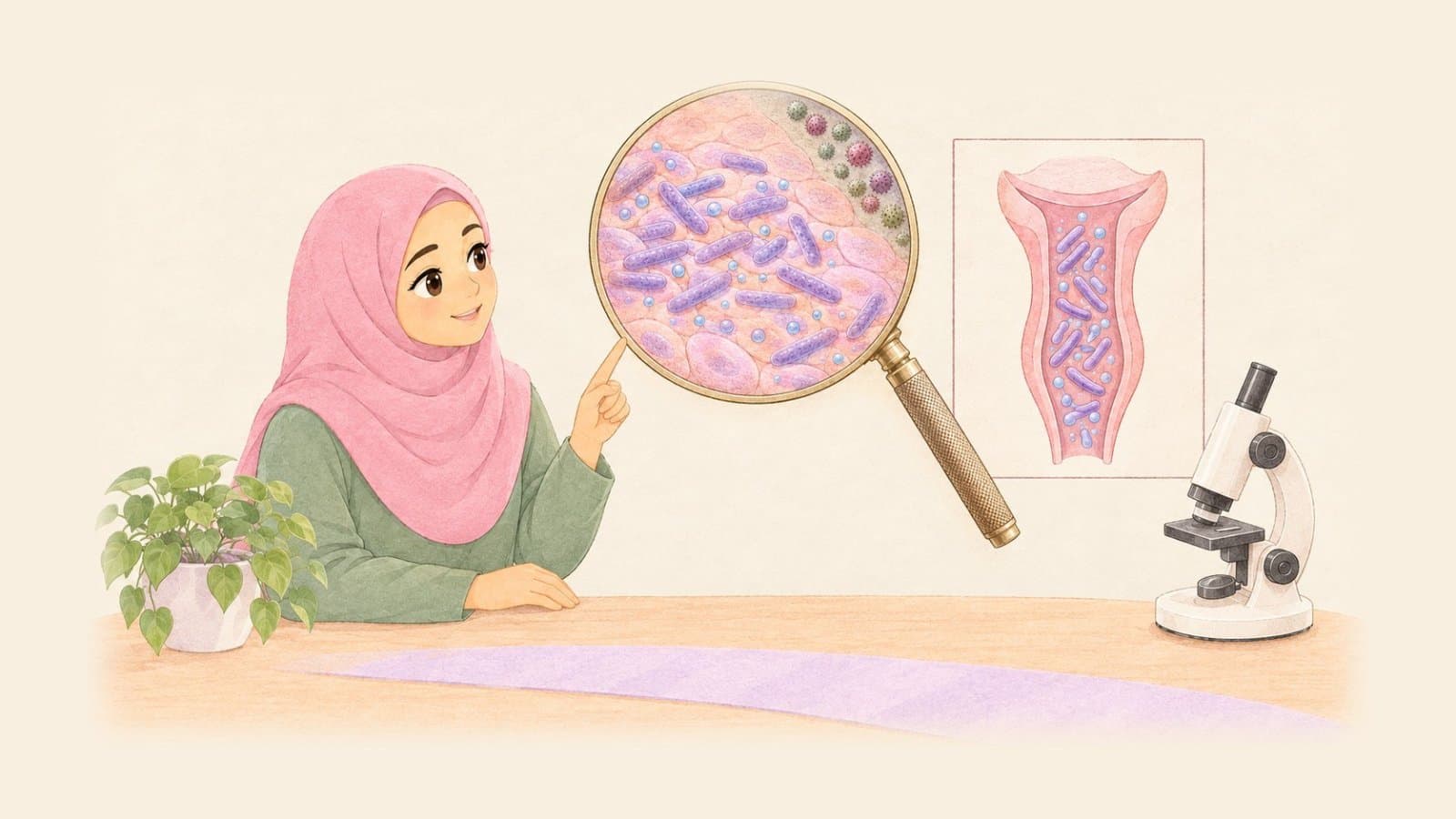
In most women, lactobacilli are the predominant bacteria in the vagina. They produce lactic acid, making the environment acidic. Many harmful microbes have difficulty multiplying in these conditions. Together with vaginal discharge, lactobacilli are part of the vagina’s self-cleaning system, which doesn’t need extra help.
Vaginal discharge is completely normal. It keeps the lining from drying out and carries away what the body doesn’t need. Normal discharge is clear or whitish and has no strong smell; its amount and thickness change throughout the cycle.
The microbiota changes with your cycle
The mix of vaginal bacteria isn’t constant. According to a research review, microbial diversity is highest during menstruation, while lactobacilli become predominant again in most women during the rest of the cycle. Hormones, pregnancy, menopause, contraception, diet, smoking, antibiotics, sex, and intimate hygiene practices can all affect the microbiota.
Menstrual blood is less acidic than the vagina’s usual environment, so the balance temporarily shifts during these days. This is normal, and the balance usually returns on its own after your period.
Douching disrupts the natural balance
Rinsing inside the vagina may seem hygienic, but doctors don’t recommend it. The U.S. Department of Health and Human Services’ Office on Women’s Health explains that douching washes away beneficial bacteria, changes the acidity, and increases the risk of bacterial vaginosis and yeast infections. Bacterial vaginosis is 5 times more common among women who douche once a week. If you already have an infection, rinsing can carry microbes higher up, into the uterus and fallopian tubes.
NHS specialists recommend the same. Never rinse inside the vagina. Wash the external genitals with plain warm water or a mild, fragrance-free product.
Simple habits can help your microbiota
- Wipe from front to back so you don’t transfer bacteria from the bowel.
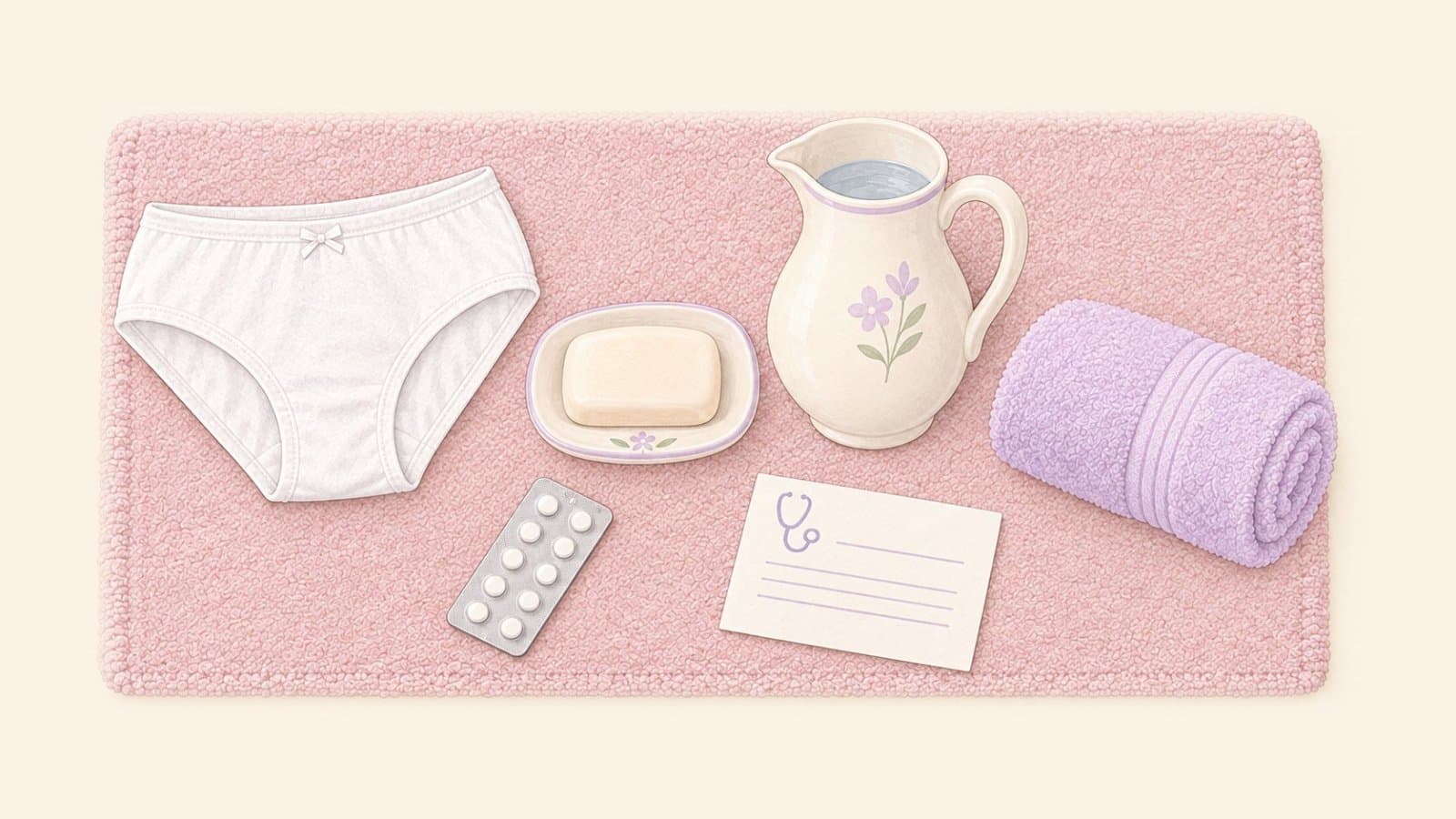
- Choose cotton underwear and change it every day.
- Avoid scented pads, deodorants, and sprays for the intimate area.
- Take antibiotics only as prescribed by a doctor, and don’t stop the course early.
- Don’t treat vaginal discharge on your own. Itching, burning, cottage-cheese-like discharge, greyish discharge with a fishy smell, or pain should be checked by a doctor.
Islamic cleanliness and medicine agree
Washing with water after using the toilet (istinja) has long been part of Muslim women’s daily lives, and it’s a good habit from a medical perspective too. The important thing is to wash the external genitals without directing water inside under pressure. There’s no health need to rinse inside the vagina, and most scholars don’t require it for ritual washing. If you’re unsure how to perform ghusl after your period, ask an imam or alima.

Your body knows how to care for itself. It needs a little attention and as little interference as possible. If something is bothering you, a gynaecologist can help you find out what’s going on quickly and without shame or awkwardness.
This article is for information only and does not replace advice from a doctor. If something worries you, talk to a healthcare professional.