Why being underweight can stop your periods
Rapid weight loss and too little energy can disrupt your menstrual cycle. Learn why it happens and how to support yourself or someone you love.
Published Updated 3 min read

Slimness is often seen as a sign of health, and rapid weight loss as something to be proud of. But the body sees things differently. When body weight and energy stores become too low, it switches off what it can do without—and the menstrual cycle is among the first things affected. Here’s why this happens and how you can help yourself or someone close to you.
Your cycle depends on energy stores
Fat tissue is more than a store of energy: it is an active organ that plays a role in estrogen metabolism and produces the hormone leptin. Leptin tells the brain whether the body has enough energy. When energy is scarce, the hypothalamus reduces the production of hormones that trigger the ovaries to function. The US Endocrine Society calls this condition functional hypothalamic amenorrhea.
It’s not just weight that matters, but also how quickly you lose it and the balance between food intake and physical activity. Periods can stop even with a BMI above 18.5 if you use more energy than you take in, as the authors of the International Olympic Committee consensus note.
Rapid weight loss is a common cause of amenorrhea in young women
Strict diets, prolonged fasting, counting every calorie, and exhausting workouts can often lead to periods stopping. Sometimes an eating disorder, such as anorexia or bulimia, is behind it. Signs to look out for include:
- Constant thoughts about food, weight, and body shape.
- Fear of gaining weight, even when severely underweight.
- Avoiding meals with others and following strict food rules.
- Exercising to exhaustion, even when tired.
- Hair loss, brittle nails, feeling cold all the time, and dizziness.
Prolonged amenorrhea can harm your bones and heart
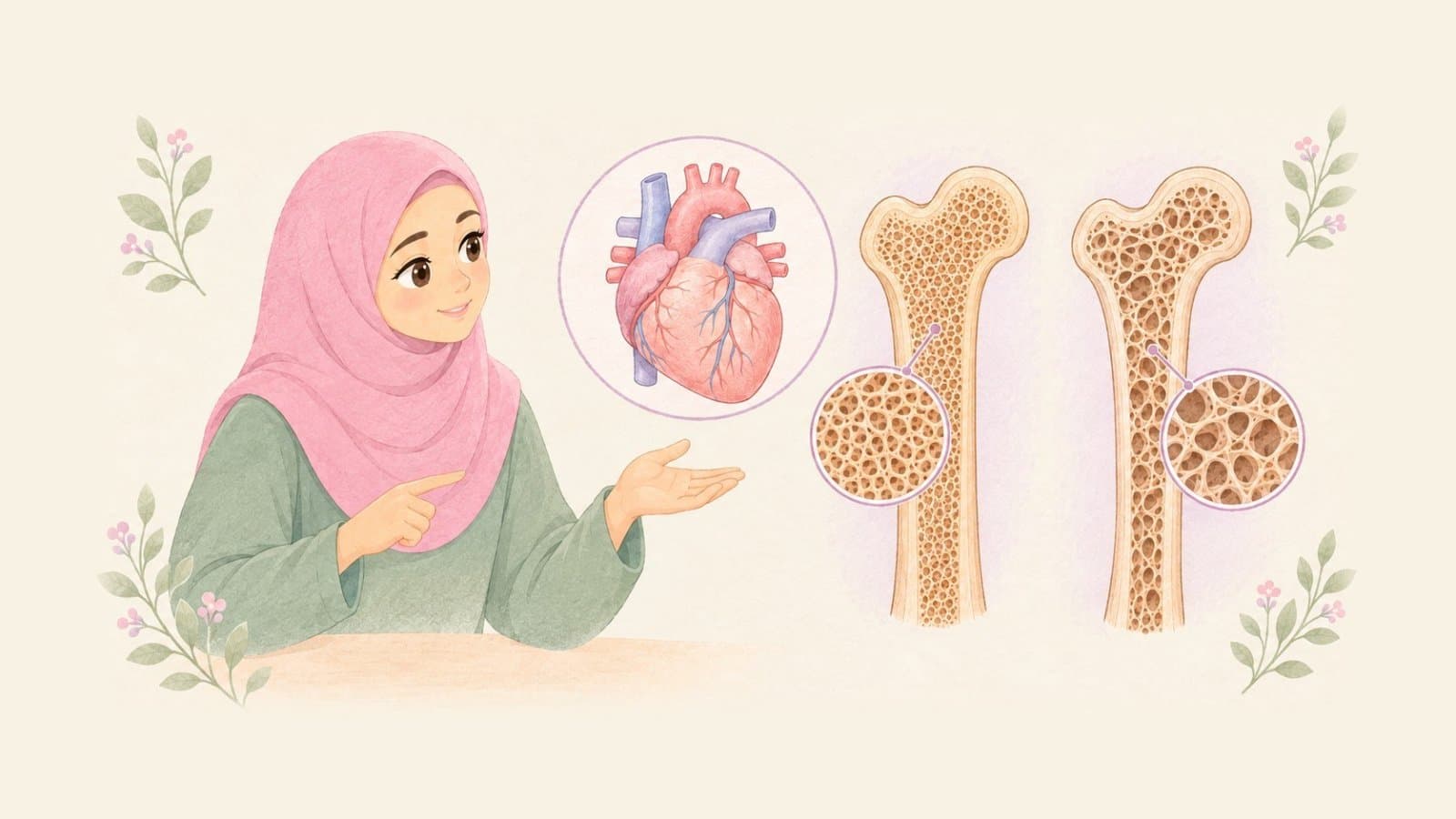
Low estrogen levels and low energy availability can reduce bone density. If ovulation is suppressed, conception may be difficult while the underlying problem continues, but this does not necessarily mean permanent infertility. If you have had no period for 3 months after previously regular cycles, or for 6 months if your cycles were irregular, seek a medical evaluation rather than waiting. Learn more about amenorrhea.
Recovery comes through care, not new restrictions
Periods often return when nutrition and energy availability improve, though this can take several months. If an eating disorder is involved, support from a team of specialists—such as a therapist, dietitian, and doctor—can be especially helpful. Combined hormonal contraceptive pills can cause withdrawal bleeding that obscures whether natural cycles have returned, and they do not correct low energy availability. A clinician can discuss other treatment options when needed.

Loved ones can notice the signs in time
Loose, modest clothing, worn by many Muslim women, can sometimes hide rapid weight loss from others. Mothers, sisters, and friends can pay attention not only to appearance, but also to behavior. If someone avoids shared meals, talks about calories all the time, or exercises excessively, speak with her gently, without blame or comments about her appearance.

Fasting during Ramadan and additional fasts should not become a way to lose weight. If a young woman shows signs of an eating disorder or amenorrhea, she should discuss fasting with a doctor and an imam, because in Islam, protecting your health matters more than being strict with yourself.
A healthy body does not have to be the thinnest one. A regular menstrual cycle can be one sign of health, though it does not guarantee that everything is well. If periods return during recovery, that can be encouraging—not a reason to worry about the number on the scale.
This article is for information only and does not replace advice from a doctor. If something worries you, talk to a healthcare professional.