Why periods are still a taboo—and what Islam says about them
Why do periods remain a source of shame, and what does Islam say about them? Learn how silence can cause harm and what the Prophet ﷺ taught.
Published Updated 3 min read
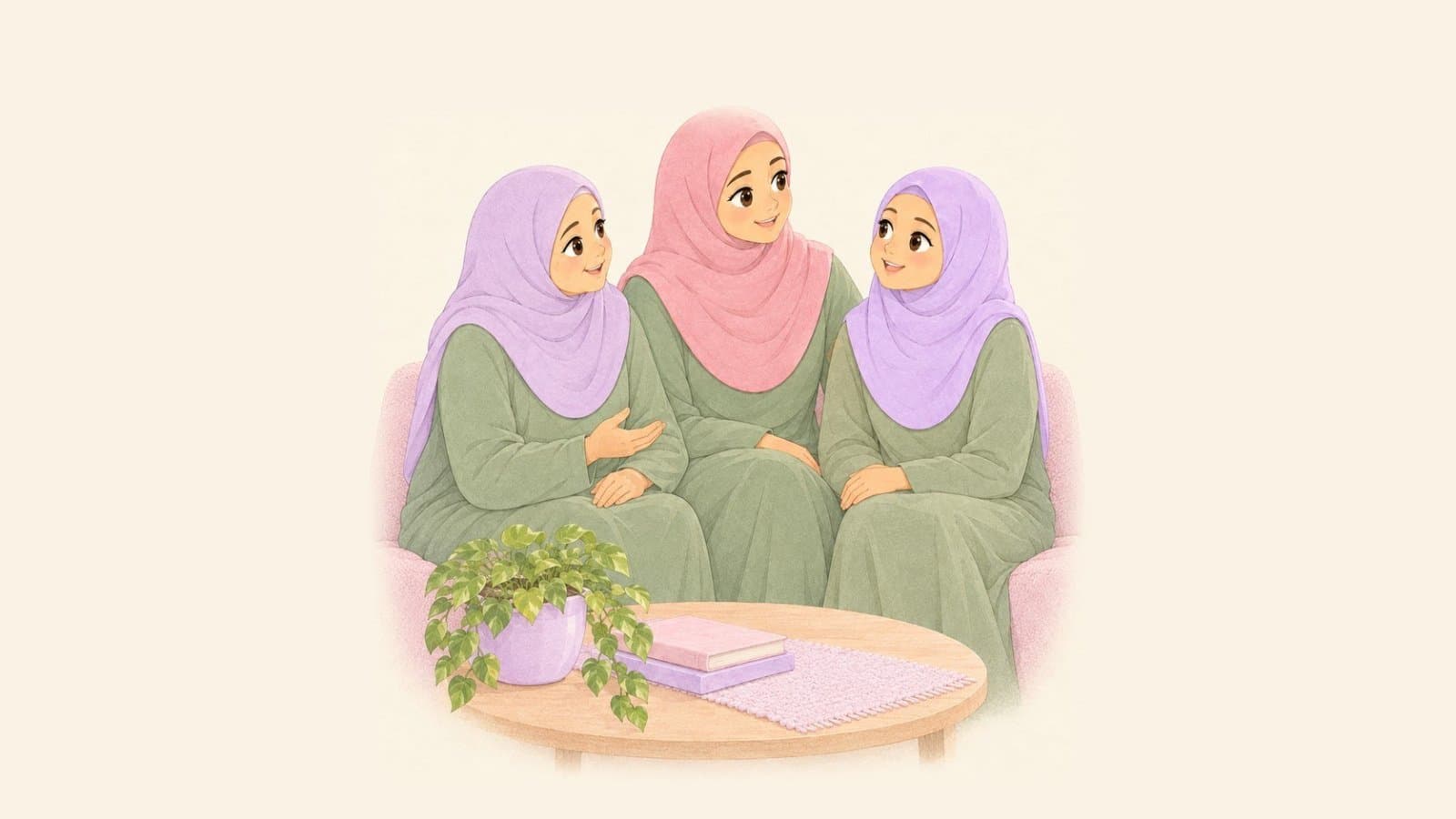
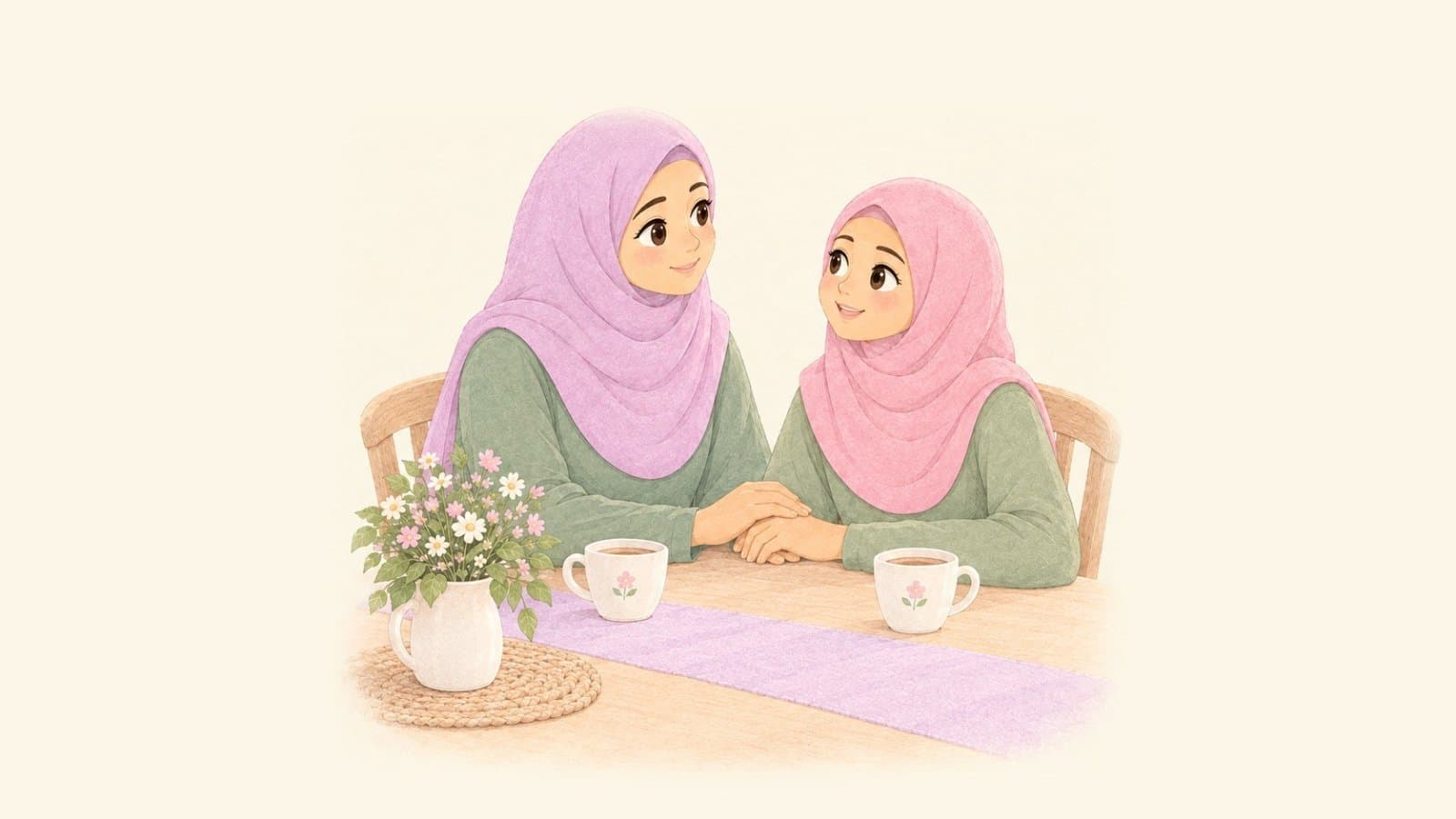
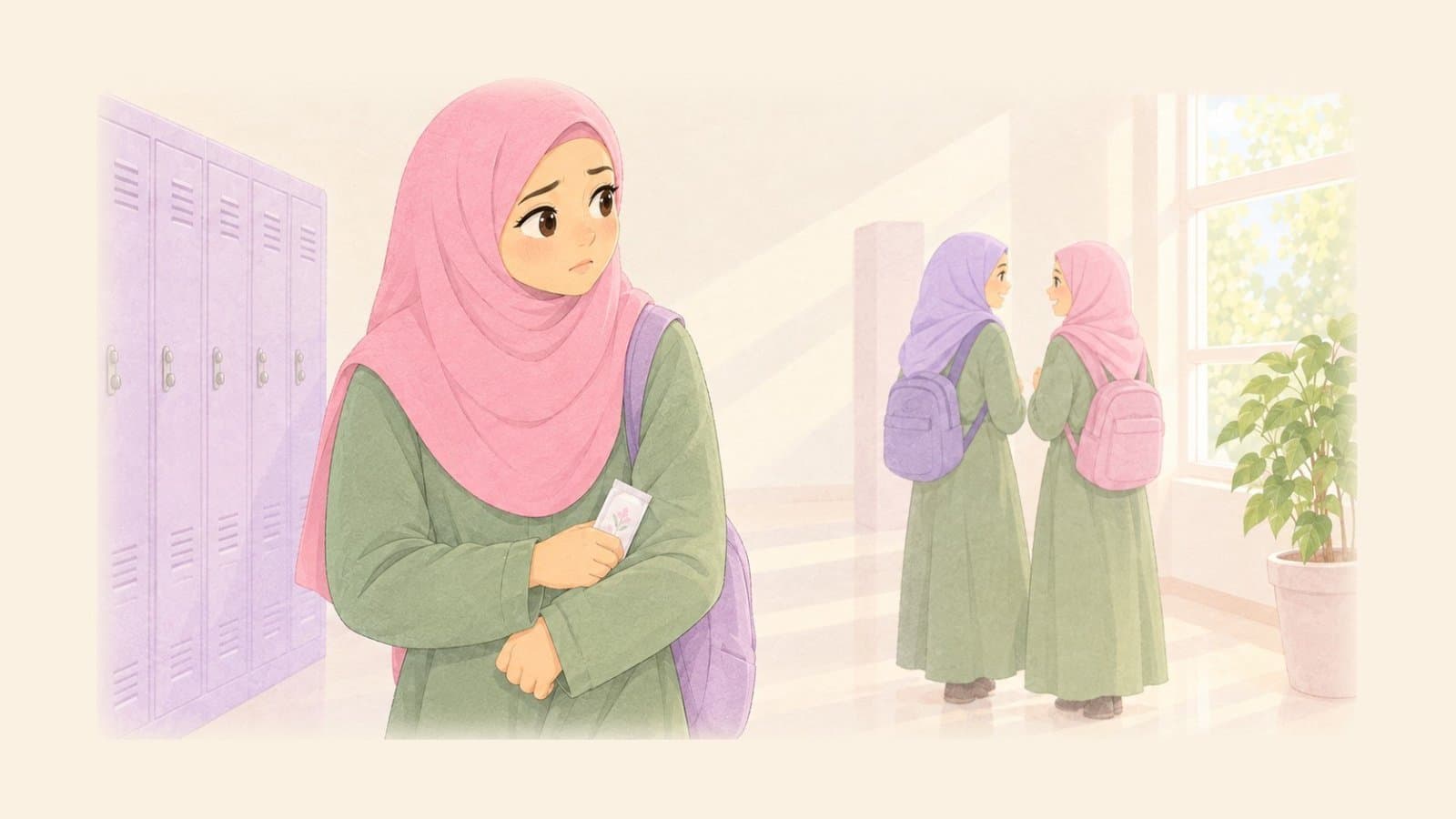
We say “that time of the month,” “Aunt Flo is visiting,” and hide a pad up our sleeve on the way to the bathroom. Periods affect half of humanity, yet talking about them can still feel awkward. Here’s where that silence comes from, what it can lead to, and how the Prophet ﷺ regarded menstruation.
Shame around periods can harm your health
The World Health Organization defines menstrual health as more than access to hygiene products: it also includes access to knowledge and support, and the ability to experience periods with dignity. When the subject is taboo, girls may not know what is happening to their bodies or feel able to speak up about severe pain or heavy bleeding. Adult women may live for years with conditions that could have been treated.
The consequences are real. The World Bank cites a study in Kenya in which 95% of girls missed 1 to 3 days of school because of their periods, and more than half said they fell behind in their studies.
Open conversations about periods are relatively recent
In 1946, the Walt Disney studio made a short film called The Story of Menstruation, commissioned by a manufacturer of menstrual products. It was reportedly shown to an estimated 105 million American students in classrooms. The film was very cautious and avoided many topics, but it was a bold step for its time. Since then, people have become more open about periods, though many families, schools, and workplaces still find the subject awkward.
Islam does not consider a woman on her period “dirty”
In the Prophet’s ﷺ time in Medina, some communities avoided women during their periods and would not even share a meal with them. When the Companions asked about this, verse 222 of Surah al-Baqarah was revealed, and the Prophet ﷺ explained: “Do everything except intercourse”. In this way, Islam set apart the one prohibition from everyday life, in which a woman remains a full and equal part.
The hadiths make this very clear.
- When Aisha said she could not bring a mat from the mosque because she was menstruating, the Prophet ﷺ replied: “Your menstruation is not in your hand”.
- The Prophet ﷺ recited the Quran with his head resting on Aisha’s lap while she was menstruating.
- He also said: “A believer does not become impure”.
- When Aisha started menstruating during Hajj and began to cry, the Prophet ﷺ comforted her, saying that this was what Allah had ordained for the daughters of Adam.
There are specific rules during menstruation. A woman does not pray or fast, and she makes up missed fasts later, as Aisha reported here. This is a concession, not a punishment or a sign of impurity.
Silence can be broken at home
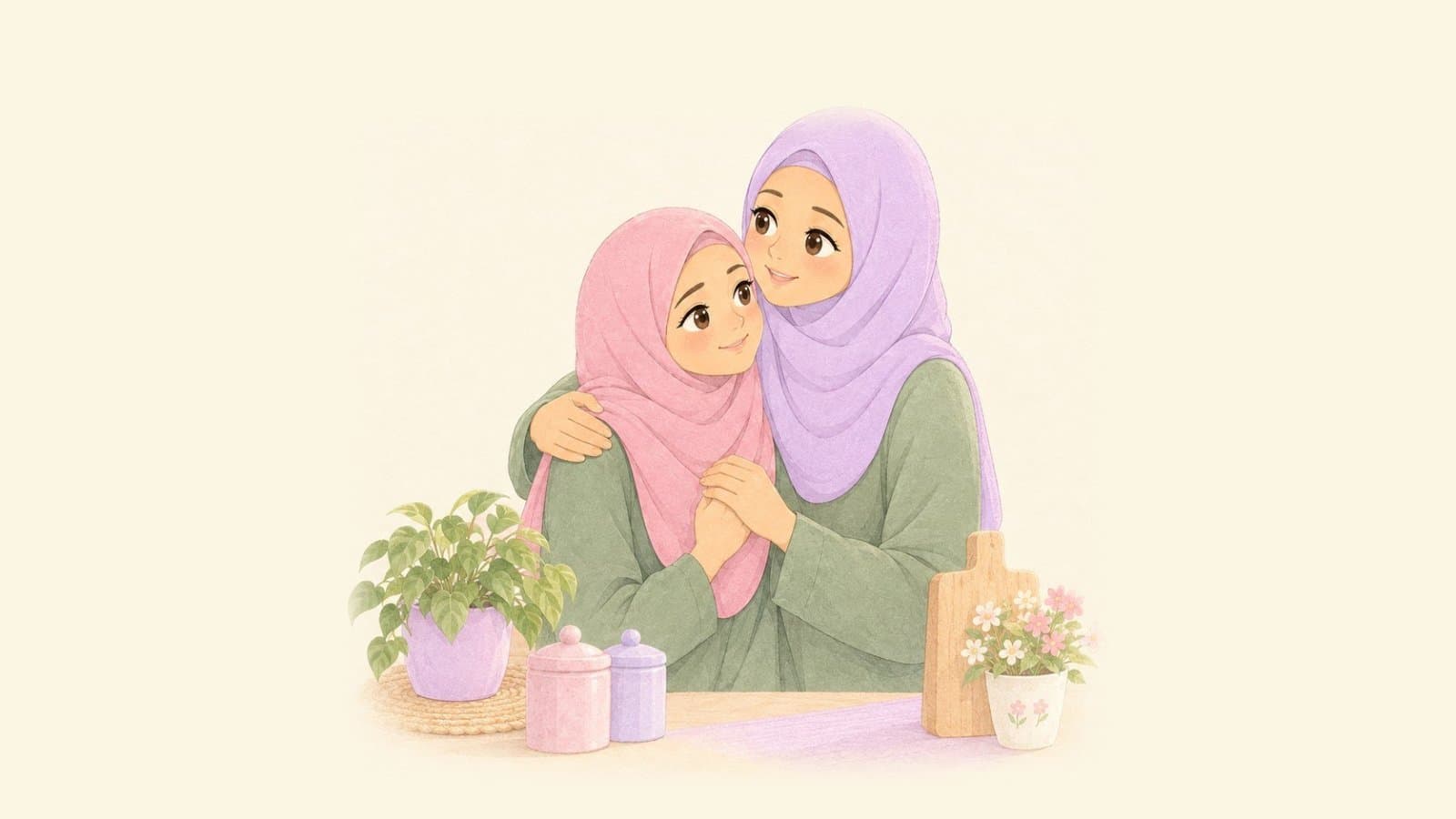
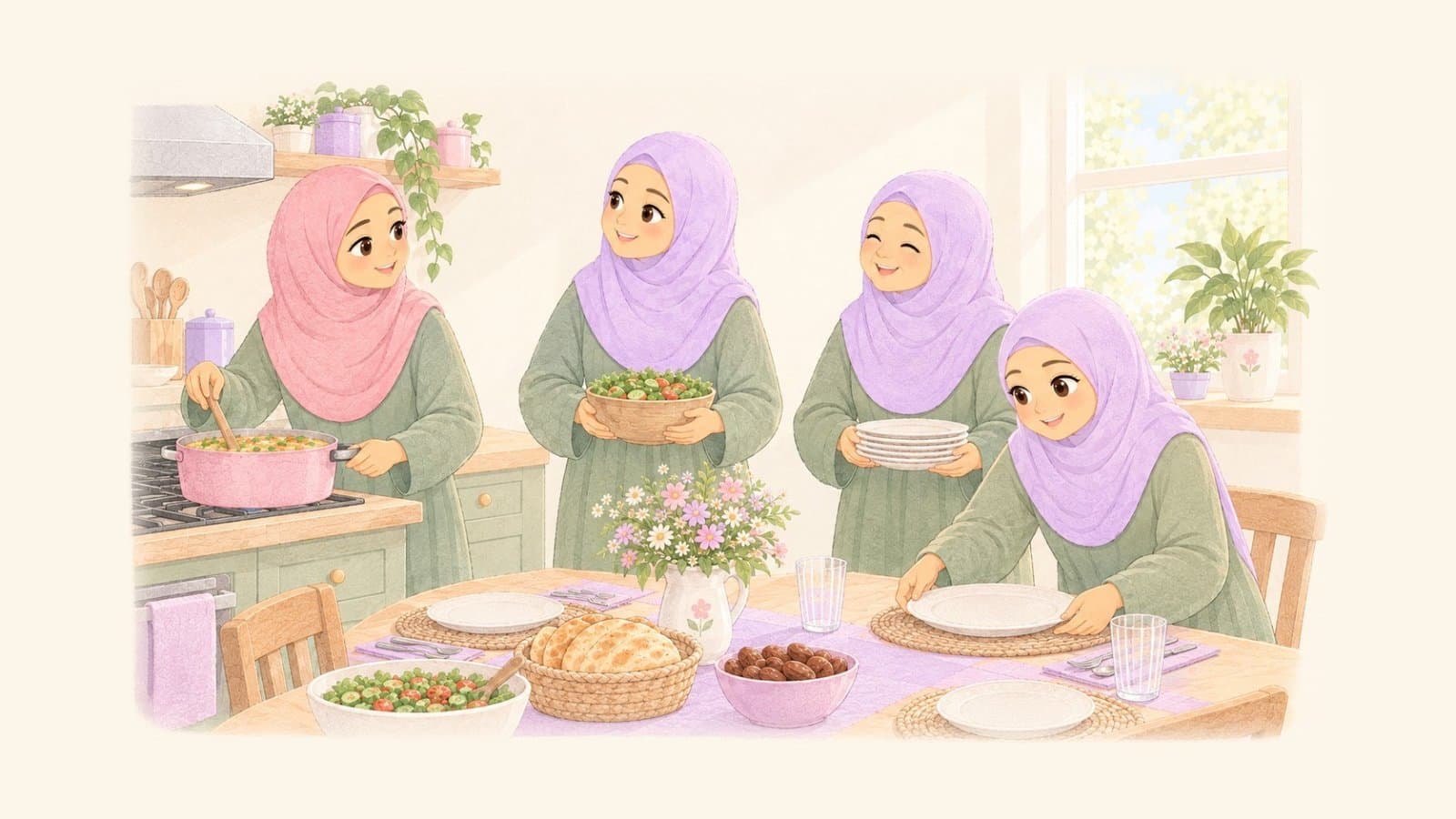
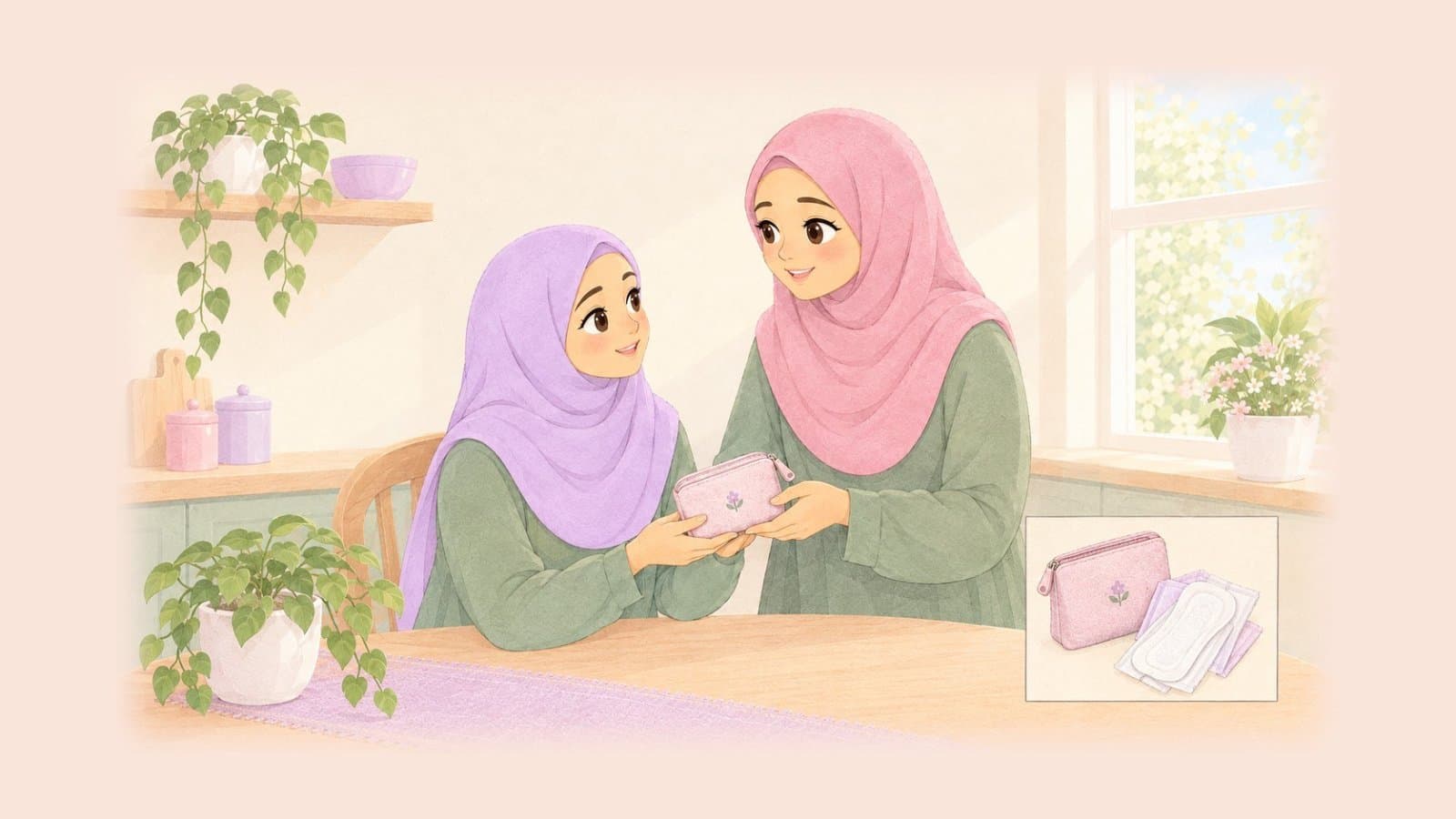
- Talk to your daughter about periods before they begin, calmly and without shame.
- Explain that pain, heavy bleeding, and an irregular cycle are worth discussing with her mother and a doctor.
- Keep period products somewhere easy to reach, and don’t make them a secret.
- Talk with sons and husbands so they understand what the women in their family go through.
- Ask knowledgeable people if you are unsure about the rules of worship. Questions about religion should never be shameful.
Periods are nothing to be ashamed of. They are part of life, and Islam approaches them with respect and care; we should talk about them the same way.
This article is for information only and does not replace advice from a doctor. If something worries you, talk to a healthcare professional.