Why period pain happens and how to ease it
Period pain is common, but you don’t have to simply put up with it. Learn what can help and when pain may be a sign of a health condition.
Published Updated 3 min read
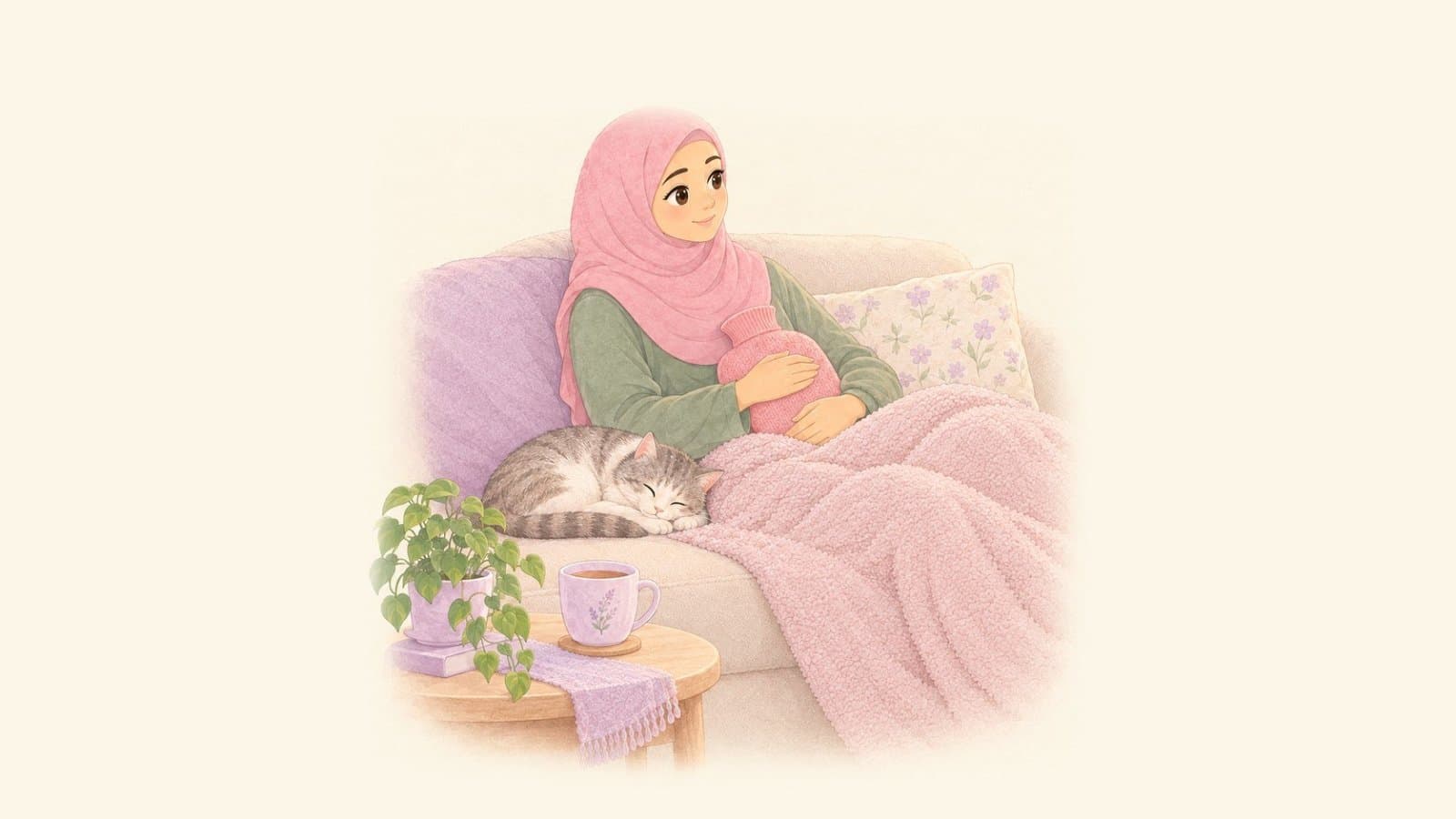
Many girls grow up believing that periods are supposed to hurt and that they just have to put up with it. Menstrual pain is common, but you don’t have to endure it. We explain what causes it, what research shows can help, and when pain may be a sign of an illness.
Dysmenorrhea is caused by uterine contractions
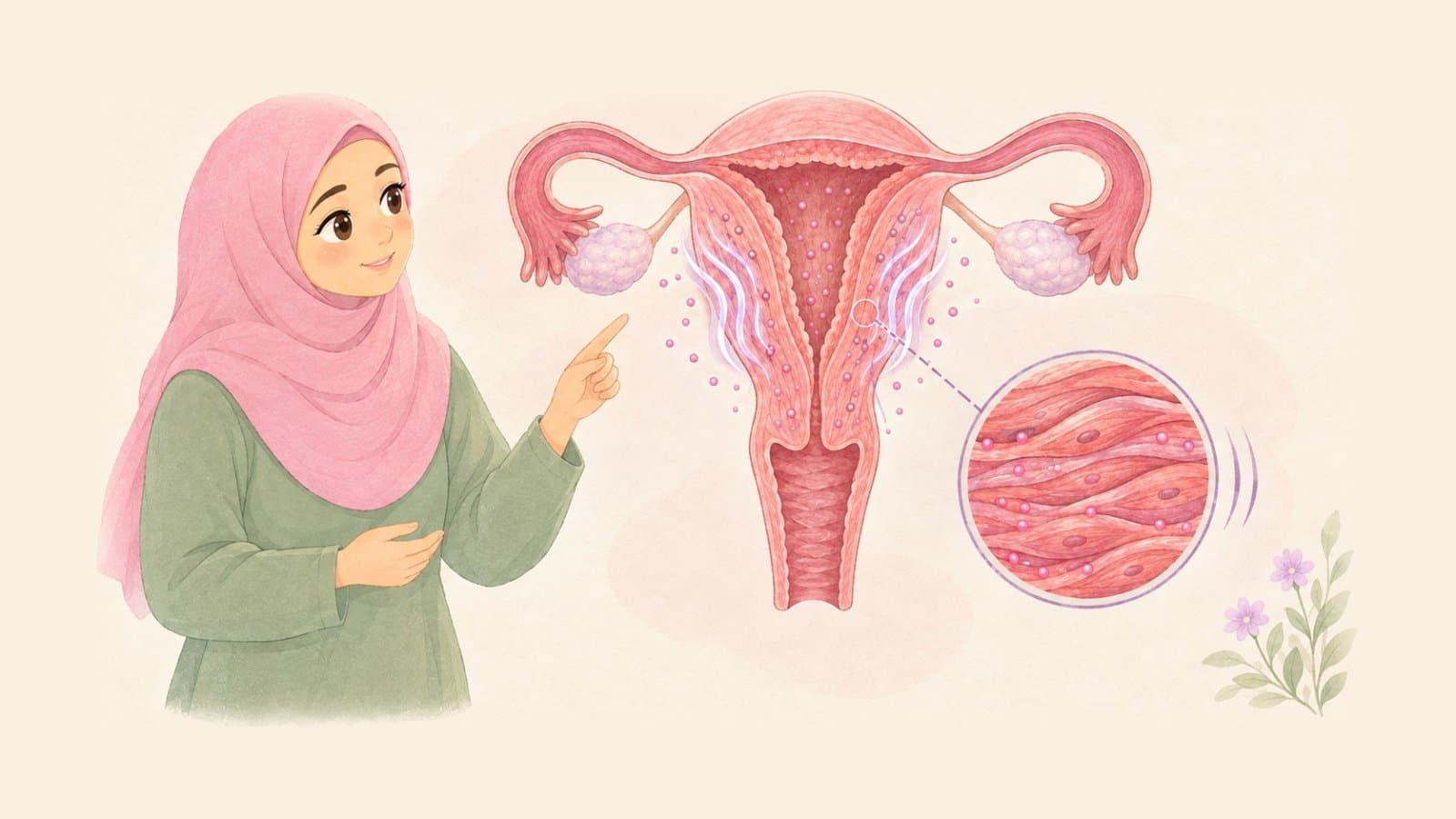
Doctors call painful periods dysmenorrhea. Before your period and during its first few days, the lining of the uterus releases prostaglandins. These substances make the uterine muscles contract to shed the lining and narrow the blood vessels. This can cause cramps in the lower abdomen, pain in the lower back and thighs, and sometimes nausea, loose stools and a headache.
When the pain isn’t caused by an underlying condition, it’s called primary dysmenorrhea. It usually begins in the first few years after periods start, lasts 1–3 days and often becomes milder with age.
Anti-inflammatory medicines work best
Pain relievers from the nonsteroidal anti-inflammatory drug group, such as ibuprofen or naproxen, reduce prostaglandin production. A Cochrane review confirmed that these medicines ease period pain much more effectively than a placebo. If your cycle is predictable, they may work best when you start taking them 1–2 days before your period; otherwise, start at the first sign of pain or bleeding. Follow the instructions carefully and take them with food. If you have a stomach ulcer, kidney disease or asthma, especially if aspirin or similar medicines have triggered symptoms, or are pregnant, ask a doctor or pharmacist before taking them.
If pain relievers don’t help, a gynecologist may suggest hormonal methods that reduce the thickness of the uterine lining and, in turn, ease the pain.
Movement and heat can help, too
According to another Cochrane review, regular exercise may help reduce period pain, though the evidence is limited. Studies found possible benefits from stretching, yoga and aerobic exercise, but the activity needed to be regular—not just during your period. A heating pad or warm patch on the lower abdomen can also ease cramps; use it at a comfortable temperature and avoid prolonged contact to prevent burns.
Take care of yourself during your period
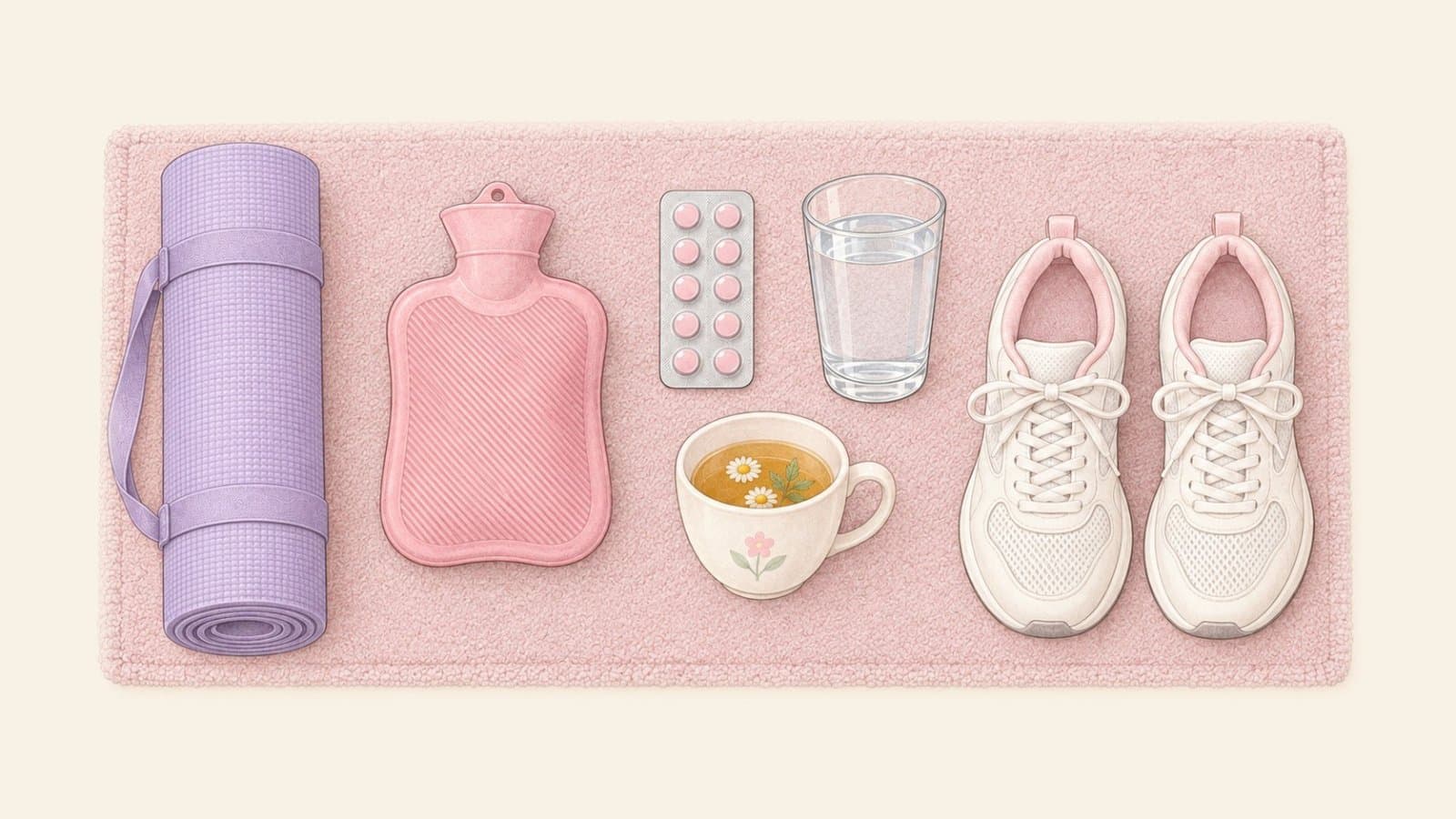
- Get at least 7 hours of sleep.
- Drink enough water.
- Don’t smoke.
- Take a warm bath or shower.
- Go for a gentle walk if you feel up to it.
Severe pain may be a sign of an illness
Secondary dysmenorrhea is caused by an underlying condition, most often endometriosis, fibroids or inflammation. Make an appointment with a gynecologist if any of the following apply.
- Pain doesn’t improve with pain relievers, or you have to miss school or work because of it.
- The pain started for the first time after age 25 or has become worse than before.
- You have pain outside your period, during sex or when using the toilet.
- Your periods are very heavy or irregular.
You can take pain relief while observing your faith
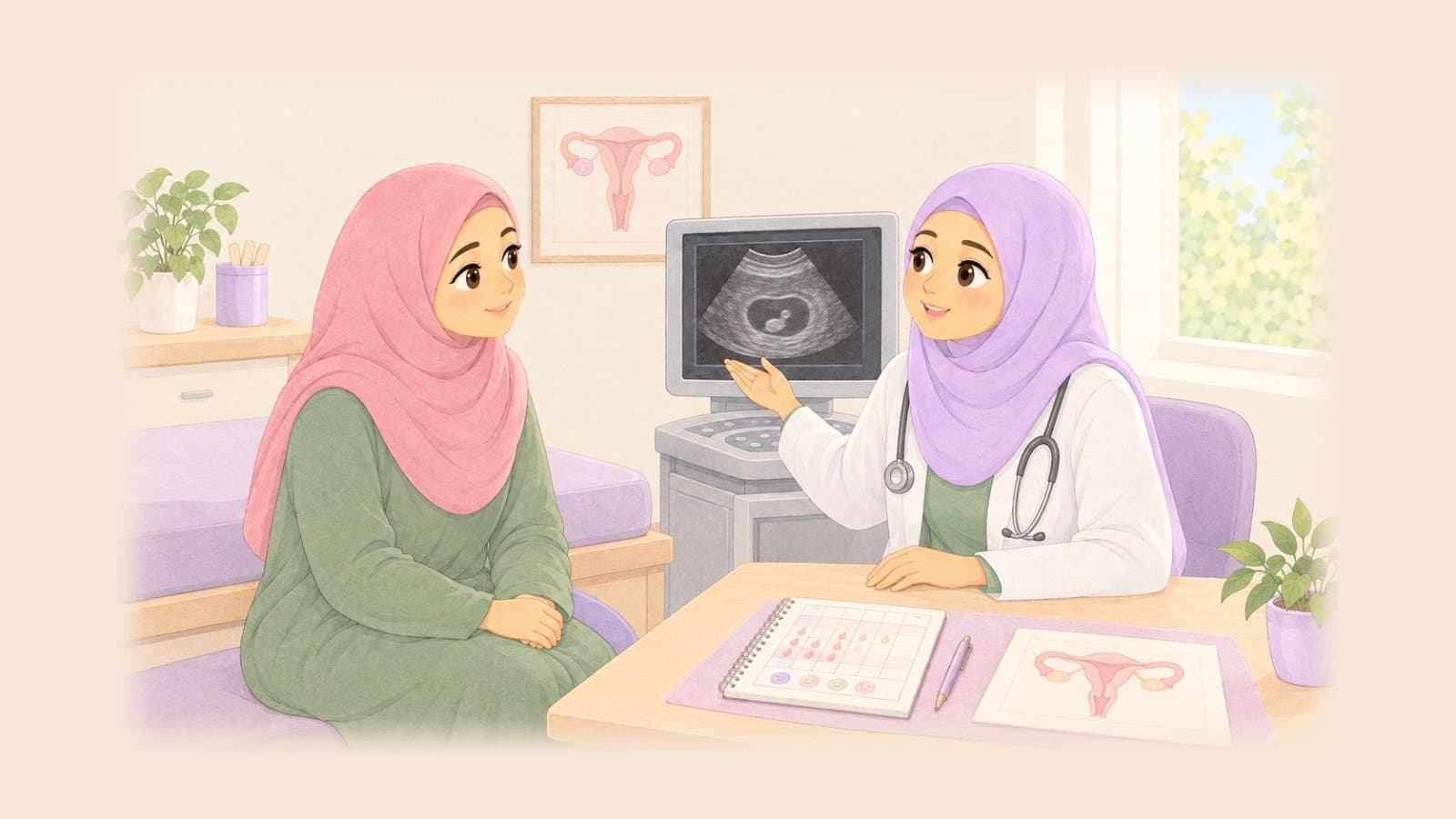
Muslim women do not fast during menstruation, so they can take medicine at any time that suits them. However, pain often starts 1–2 days before bleeding, when the fast is still ongoing. During Ramadan, you can take a tablet at suhoor or iftar. If the pain is severe and fasting becomes difficult, talk to a doctor and an imam about the concession for those who are ill.
During your period, you can fill your days with acts that don’t require ritual purity. Remembrance of Allah (dhikr), supplication (du’a) and listening to the Quran remain accessible. Aisha reported that the Prophet ﷺ recited the Quran with his head resting on her lap when she was menstruating.
Period pain is not a test of endurance. If it gets in the way of your life, you have the right to get help—and modern medicine can provide it.
This article is for information only and does not replace advice from a doctor. If something worries you, talk to a healthcare professional.