What to expect during a pelvic ultrasound and how to prepare
A pelvic ultrasound can feel daunting, especially if you have not had sex or modesty is important to you. Learn about the different types of scans and how to prepare.
Published Updated 3 min read

Being referred for a pelvic ultrasound can make many people feel anxious. This is especially true for women who are not married and for anyone who values modesty. We explain the different types of scans, how to choose the right one, and which day of your cycle is best for having it.
An ultrasound can help find the cause of many menstrual cycle problems
An ultrasound shows the uterus, its lining, the ovaries, and surrounding tissues. It can help detect fibroids, polyps, ovarian cysts, signs of endometriosis and polycystic ovary syndrome, and check whether you are pregnant and where the pregnancy is developing. The method is safe, uses no radiation, and can be repeated as often as needed.
There are several ways to perform an ultrasound
- Transvaginal ultrasound. A thin probe covered with a disposable sheath is inserted into the vagina. The British Medical Ultrasound Society describes this as the main method for examining the pelvic organs because it produces the clearest images. Your bladder usually needs to be empty beforehand.
- Transabdominal ultrasound. The probe is moved over the skin of your abdomen. Your bladder needs to be full for a clear image, so drink 1 litre of water an hour before the scan and do not use the toilet.
- Transrectal and transperineal ultrasound. The American Institute of Ultrasound in Medicine notes that these methods may suit people who cannot or do not want to have a vaginal probe inserted.
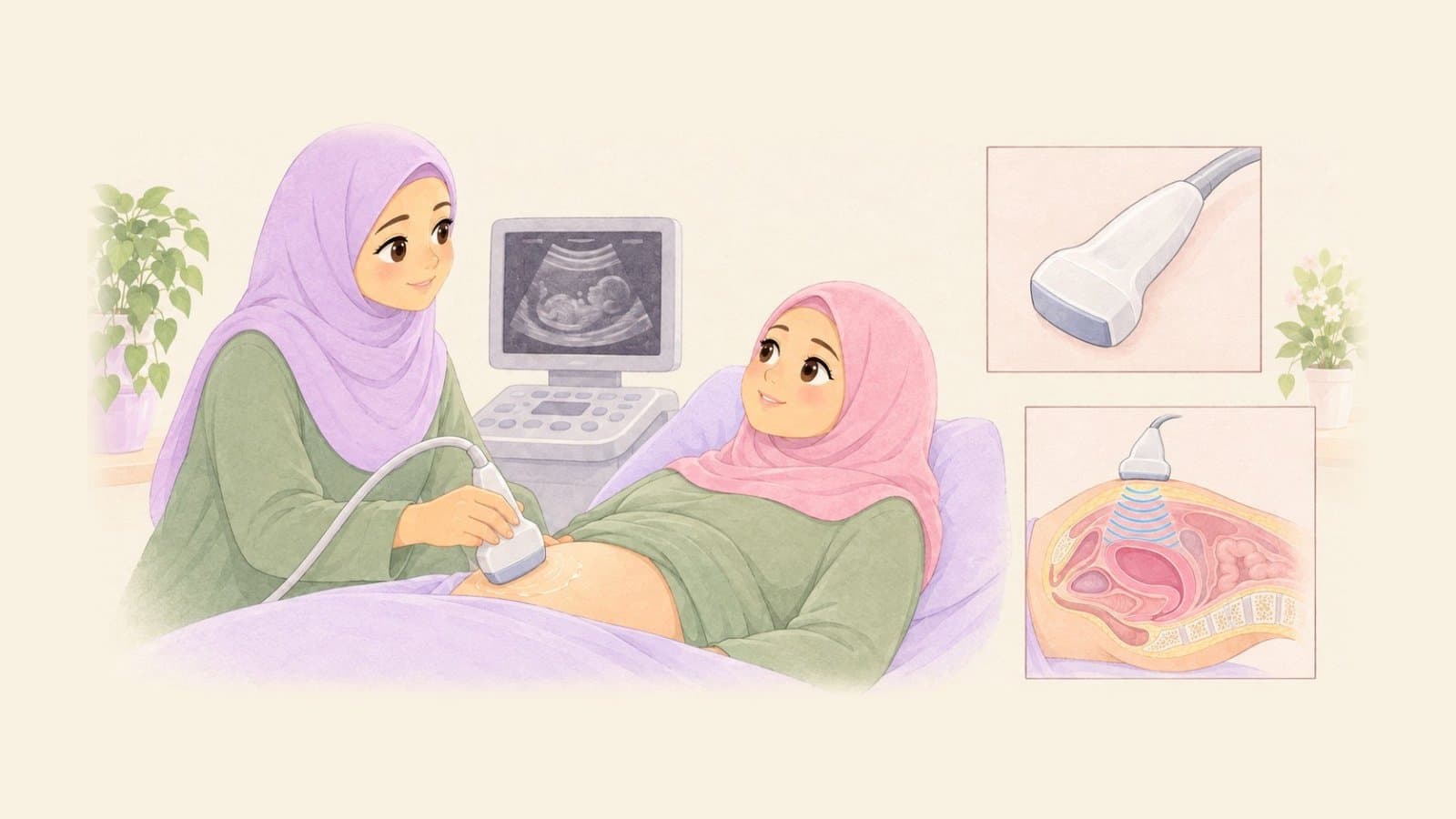
If you have not had intercourse, the scan is usually done without a vaginal probe
If you have not had intercourse, tell your doctor before the scan begins. The British guidance stresses that a transvaginal ultrasound should only be performed with the woman’s clear consent, and you can refuse it without giving a reason. In this case, an abdominal scan with a full bladder is usually done. If more detail is needed, the doctor may suggest another option, such as a transrectal scan or MRI, and explain why. You have the right to ask questions, ask the doctor to explain what will happen, and refuse any type of scan.
The best day for an ultrasound depends on its purpose
Most often, the scan is scheduled for days 5–7 of your cycle, just after your period, when the uterine lining is thin and polyps or fibroids are easier to see. To assess ovulation or the corpus luteum, the scan is done in the middle or second half of the cycle. If your doctor has not specified a day, ask when you make the appointment.

You can maintain your modesty during the examination
- You can ask for a woman doctor to perform the scan, or choose a clinic where this is possible.
- You can ask to have a nurse, your mother, or your husband present.
- Usually, only the part of your body being examined is uncovered; the rest can be covered with a sheet.
- If anything feels uncomfortable or painful, tell the doctor right away. The scan can be stopped.
Islam permits seeking medical care for treatment, even if the doctor is a man and there is no woman specialist available. If you are unsure what to do in your situation, discuss it with an imam.

It is best to plan your ultrasound during fasting ahead of time
A transabdominal ultrasound requires you to drink plenty of water beforehand, so during Ramadan it may be more convenient to have it in the evening after iftar or on days when you are not fasting. Scholars of different schools have different views on whether inserting a probe into the vagina breaks the fast. The easiest option is to book the scan after sunset or after Ramadan if it is not urgent; if you are unsure, ask an imam.
An ultrasound is a quick, safe, and informative way to care for your health. Knowing your rights and what to expect can help you feel calm and less self-conscious during the scan.
This article is for information only and does not replace advice from a doctor. If something worries you, talk to a healthcare professional.