How the menstrual cycle works and what happens in each phase
Learn how the 4 phases of the menstrual cycle affect your body, mood and energy—and why tracking your cycle can support your health and worship.
Published Updated 3 min read

Your period is just a few days of a cycle that lasts around a month and affects your hormones, mood, energy and even appetite. Understanding your cycle can help you plan your activities, notice changes and seek medical advice when needed. Here’s how it works.
The cycle starts on the first day of your period
The menstrual cycle is counted from the first day of bleeding to the first day of your next period. The International Federation of Gynecology and Obstetrics (https://pubmed.ncbi.nlm.nih.gov/30198563/) considers cycles lasting 24 to 38 days to be within the normal range. In a large study of more than 600,000 cycles, the average cycle lasted 29.3 days, and only 13% lasted exactly 28 days. So the “ideal” 28-day cycle is more the exception than the rule.
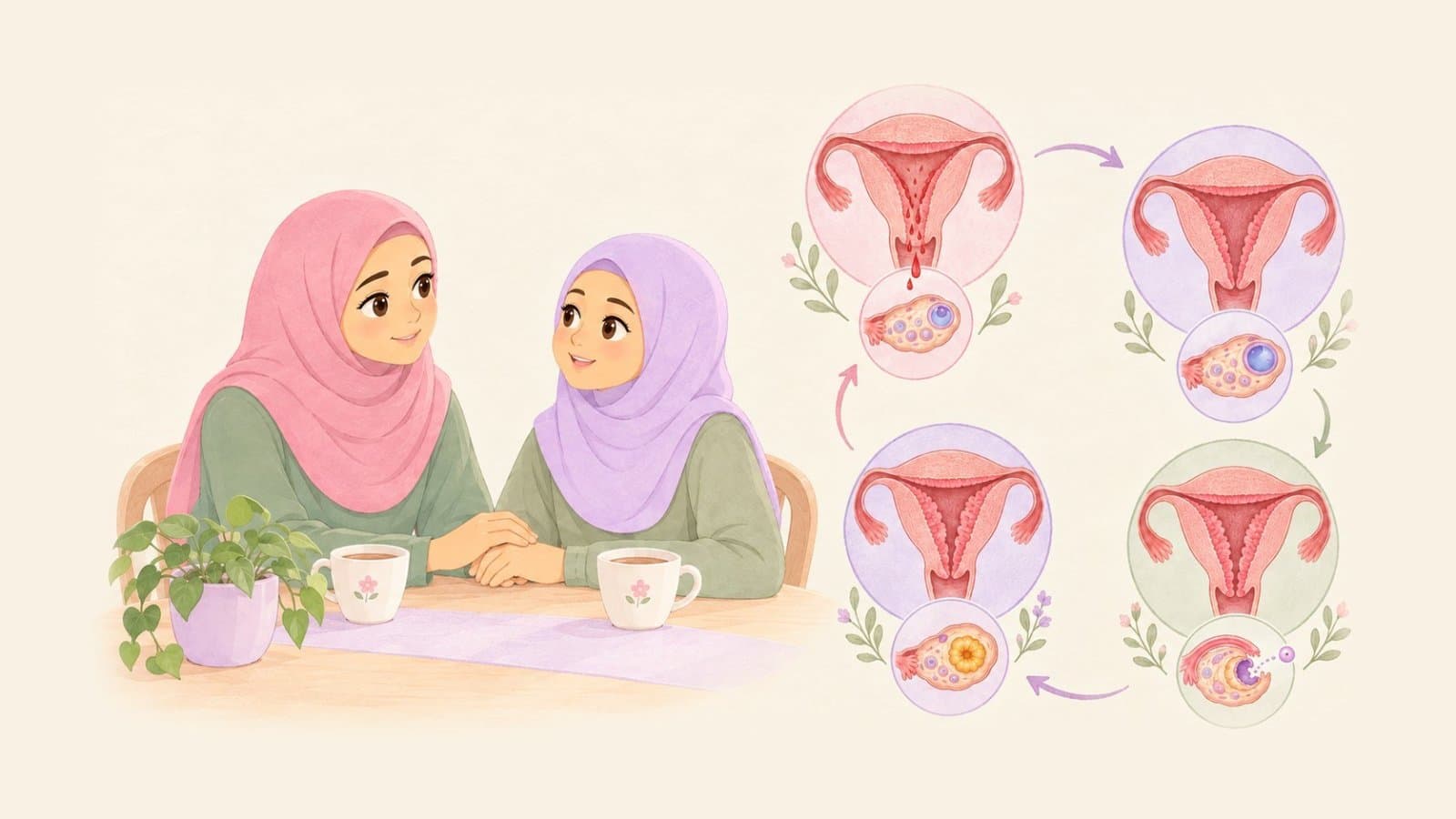
The cycle has 4 phases
- Menstruation. The lining of the uterus sheds, and bleeding begins. In the same study, periods lasted an average of 4 days, while FIGO criteria consider bleeding of up to 8 days to be within the normal range.
- Follicular phase. It begins at the same time as your period. Under the influence of follicle-stimulating hormone, a follicle grows in the ovary, estrogen levels rise, and the uterine lining thickens. This is the most variable phase, lasting almost 17 days on average.
- Ovulation. A sudden surge in luteinizing hormone triggers the release of an egg. According to the Cleveland Clinic, the egg can be fertilized for 12–24 hours.
- Luteal phase. The corpus luteum forms where the follicle was and produces progesterone. If pregnancy does not occur, after 12–14 days the corpus luteum stops functioning, hormone levels fall, and your next period begins.
How you feel can change with each phase
In the first half of the cycle, as estrogen rises, many women feel more energetic and in a better mood. After ovulation, progesterone slightly raises body temperature and may increase appetite and sleepiness. Before a period, some people experience irritability, bloating and breast tenderness. Everyone has their own pattern, and tracking yours can help you plan important activities.

Your cycle can be a sign of your health
The American College of Obstetricians and Gynecologists (ACOG) recommends treating the menstrual cycle as a vital sign, particularly in adolescents, alongside measures such as pulse and blood pressure. Irregular or absent periods can be associated with thyroid or other hormone problems, or not getting enough energy. Severe period pain can be a symptom of endometriosis, while very heavy bleeding or bleeding between periods can have other causes. Discuss these changes with a healthcare professional.
Tracking your cycle can also help with worship
It can be helpful for Muslim women to know their cycle so they understand when their period begins and ends. This affects when to pause and resume namaz (prayer), when to perform ghusl (ritual bath), and how many days of fasting to make up. Aisha reported that women were instructed to make up missed fasts, but not prayers. If bleeding lasts longer than usual or is different from your usual pattern, scholars from different schools may differ on whether it counts as menstruation; it’s best to ask an imam or alima (female religious scholar).
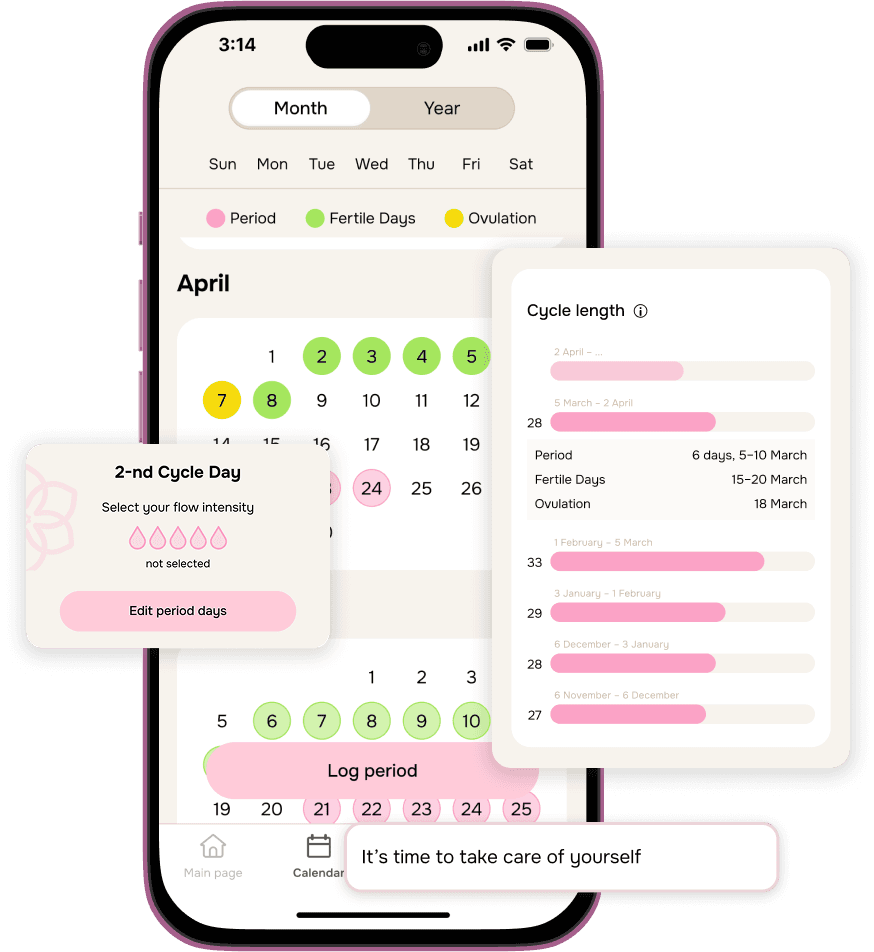
The easiest way to track your cycle is with an app or a notebook. Note when your period starts and ends, the type of discharge, any pain and how you feel. These records can be useful both for you and for your doctor.
Knowing your cycle means understanding yourself better. The more closely you pay attention to its rhythm, the easier it is to notice when your body needs help.
This article is for information only and does not replace advice from a doctor. If something worries you, talk to a healthcare professional.