What to know about menstrual cups before choosing one
Menstrual cups are reusable and convenient, but they may not suit everyone. Learn what research says about safety, care, and choosing the right option for you.
Published Updated 3 min read

Many women like menstrual cups. They’re reusable, discreet, and can save money. But they have some particular features, and Muslim women may wonder whether they’re suitable for girls before marriage. Here’s what research says about cup safety and how to make a choice.
A cup collects blood rather than absorbing it
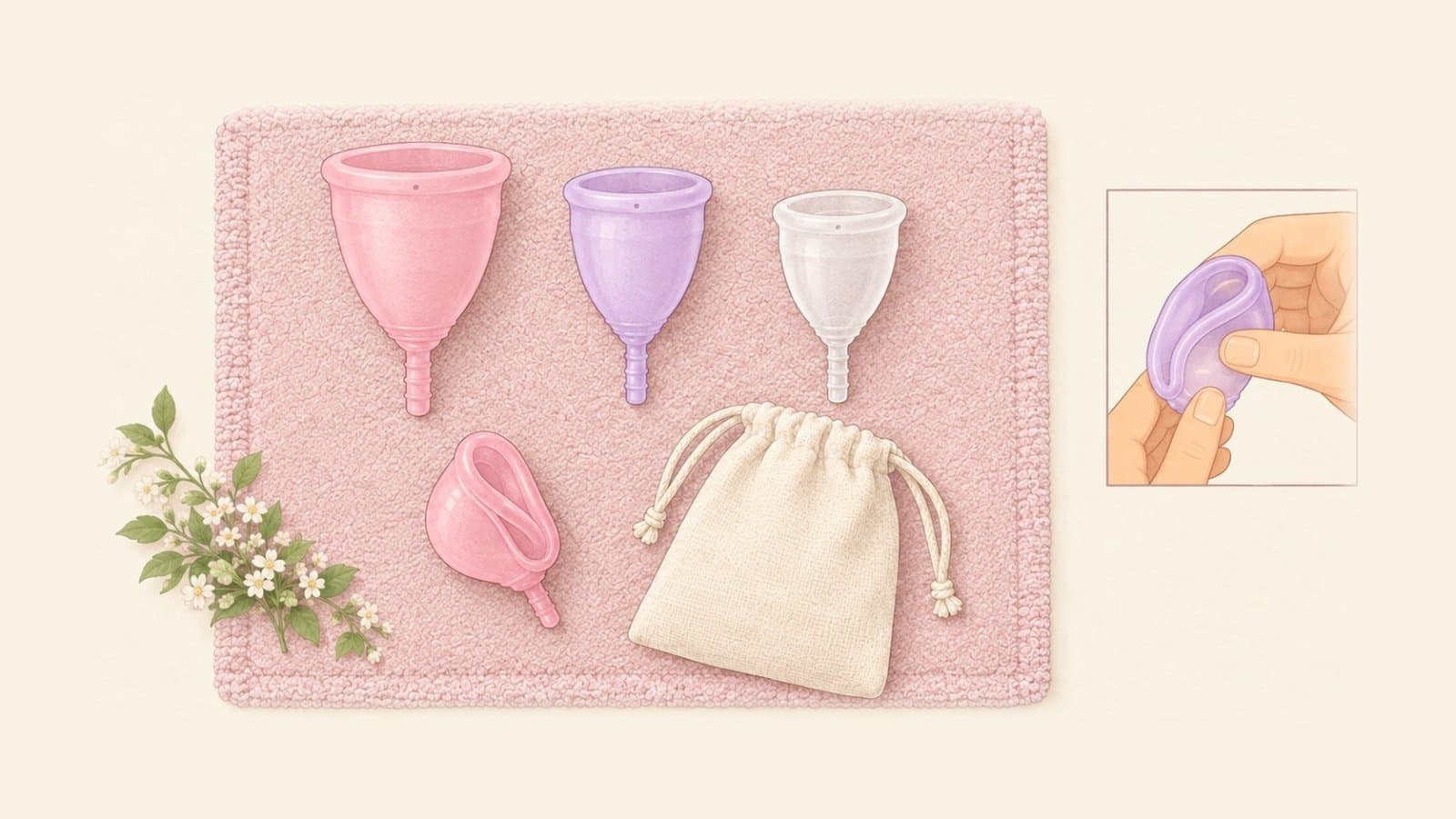
A menstrual cup is a small, flexible container made of medical-grade silicone, rubber, or elastomer. You fold it, insert it into the vagina, and it opens up to collect menstrual flow. Depending on how heavy your period is, you empty the cup several times a day, rinse it, and reinsert it. With proper care, one cup can last for several years.
Research supports their reliability
In 2019, a systematic review of 43 studies involving more than 3,000 women was published in The Lancet Public Health. Leaks with a cup were as common as or less common than with pads and tampons. Side effects were rare. Researchers described a few cases of toxic shock syndrome, severe pain, allergies, and urinary tract problems, as well as individual cases in which an intrauterine device shifted when a cup was removed.
Good care helps reduce risks
- Wash your hands before and after inserting or removing the cup.
- Empty it as often as the instructions say, usually every 8–12 hours.
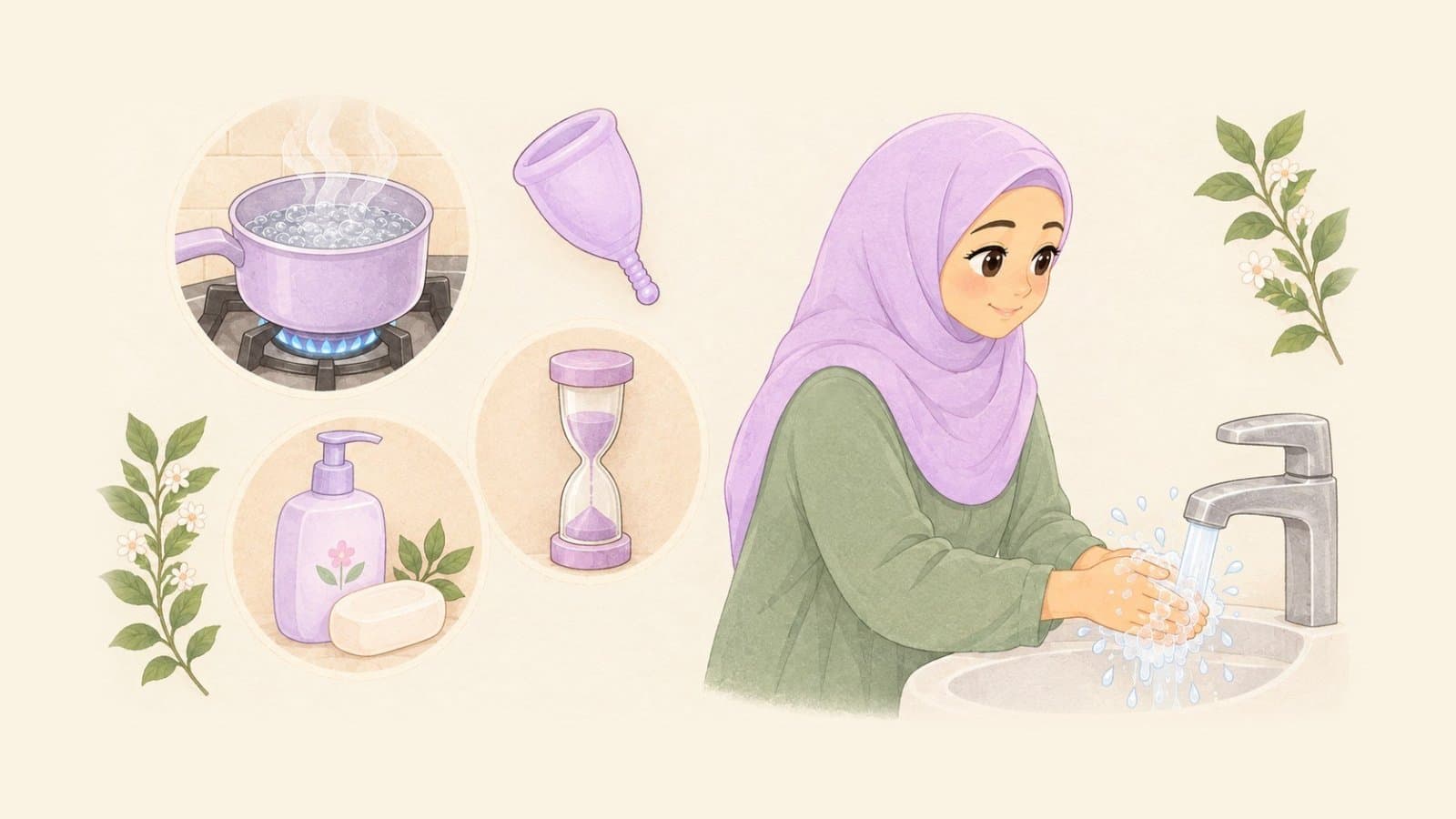
- Rinse the cup with water, and boil or disinfect it between periods according to the instructions.
- Before removing it, pinch the base to release the suction, especially if you have an IUD.
- Choose a size based on your age, whether you’ve given birth, and your anatomy.
If you develop a high temperature, rash, vomiting, or dizziness while using a cup, remove it and seek urgent medical care right away, as these can be signs of toxic shock syndrome.
A cup does not take away virginity, but the decision is personal
Virginity is about sexual activity, not the state of the hymen. Specialists at the Center for Young Women's Health explain that a cup, like a tampon, does not change a person’s virginity, though it may stretch the hymen. Many unmarried Muslim women and their families still prefer pads, reusable pads, or period underwear, and that is a completely normal choice. If you’re unsure what is right for you from a religious perspective, ask an alima or imam.
Comfortable hygiene can help with worship too
Many married women choose a cup because it helps prevent leaks at night, while travelling, or on the way to Hajj or Umrah. During menstruation, women do not perform salah, but before ghusl (the full ritual washing), the cup should be removed and the body washed thoroughly. For details about ritual washing, it’s best to ask an imam or alima.
A cup isn’t right for everyone
Don’t use one without consulting a doctor soon after giving birth, if you have pelvic organ prolapse, certain vaginal abnormalities, or a suspected infection. If insertion is painful or the cup leaks, you may need a different size or another method. Pads, tampons, and period underwear are just as good if they’re comfortable for you.
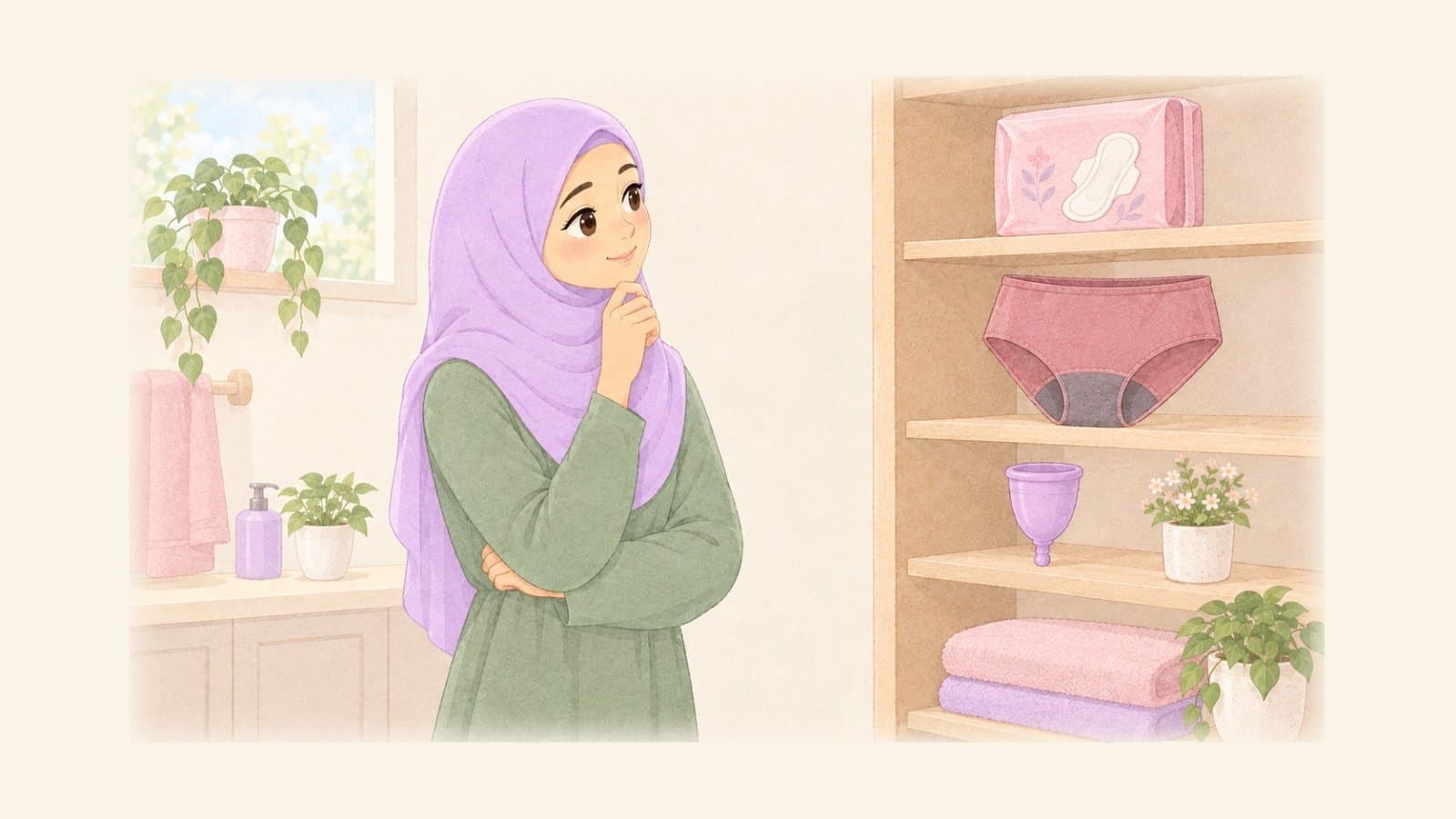
The best menstrual product is the one that helps you feel comfortable and confident. Choose based on what you know, your health, and your beliefs.
This article is for information only and does not replace advice from a doctor. If something worries you, talk to a healthcare professional.