What happens during menopause and how to navigate it with confidence
Menopause brings changes that can affect every woman differently. Learn what to expect, what can help, and what Muslim women may want to keep in mind.
Published Updated 3 min read
Menopause happens to every woman, but few feel prepared for it. People often speak about it in hushed tones, and its signs are sometimes mistaken for fatigue or illness. We explain when menopause occurs, the changes it brings, how medicine can help, and what Muslim women may want to keep in mind.
Menopause usually occurs between ages 45 and 55
Menopause is the final menstrual period, followed by 12 months without a period. According to the World Health Organization, it occurs in most women between ages 45 and 55. In Europe, the average age is about 51, according to the European Society of Endocrinology. If periods stop before age 40, this can be a sign of premature ovarian insufficiency. The diagnosis is made only after an evaluation, so see a doctor.
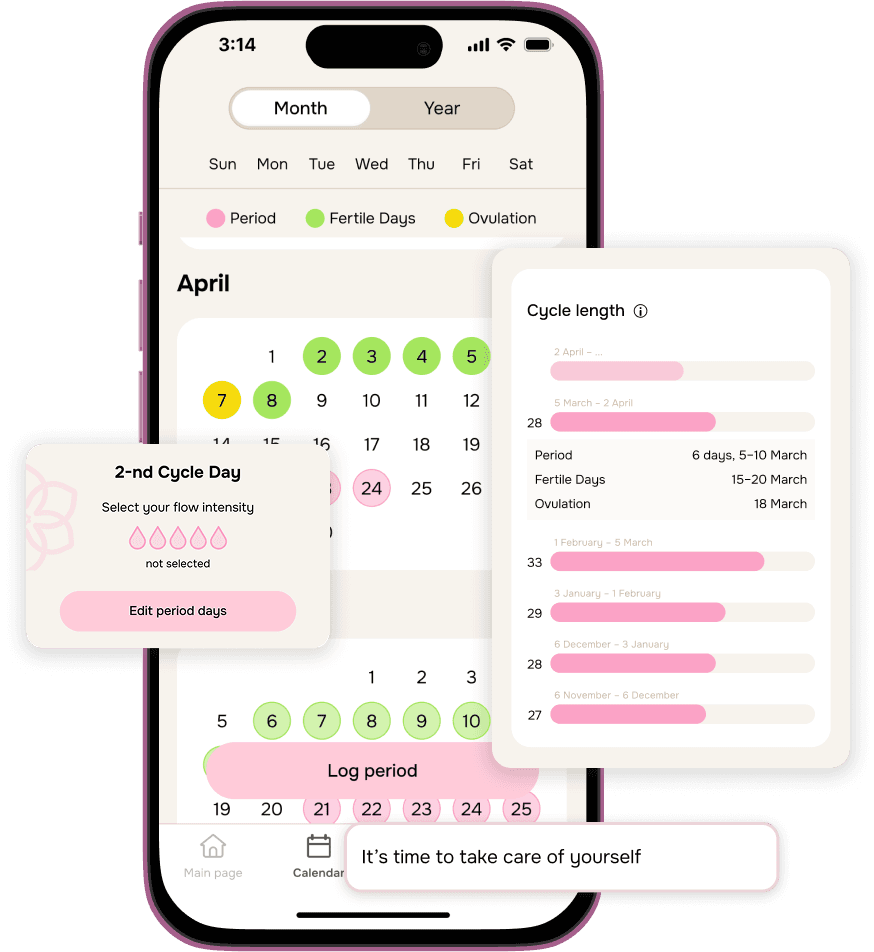
The years leading up to menopause are called perimenopause. Periods may become irregular: they might be late or come more often, and may be heavier or lighter than before.
Menopause can have many different signs
- Hot flashes and night sweats.
- Sleep problems.
- Mood swings, anxiety, and difficulty with memory or concentration.
- Vaginal dryness and discomfort during sex.
- Needing to urinate more often and being more prone to urinary tract infections.
- Joint pain, dry skin, and reduced sex drive.
Symptoms vary from person to person. Some women barely notice them, while for others they can be troublesome for years.
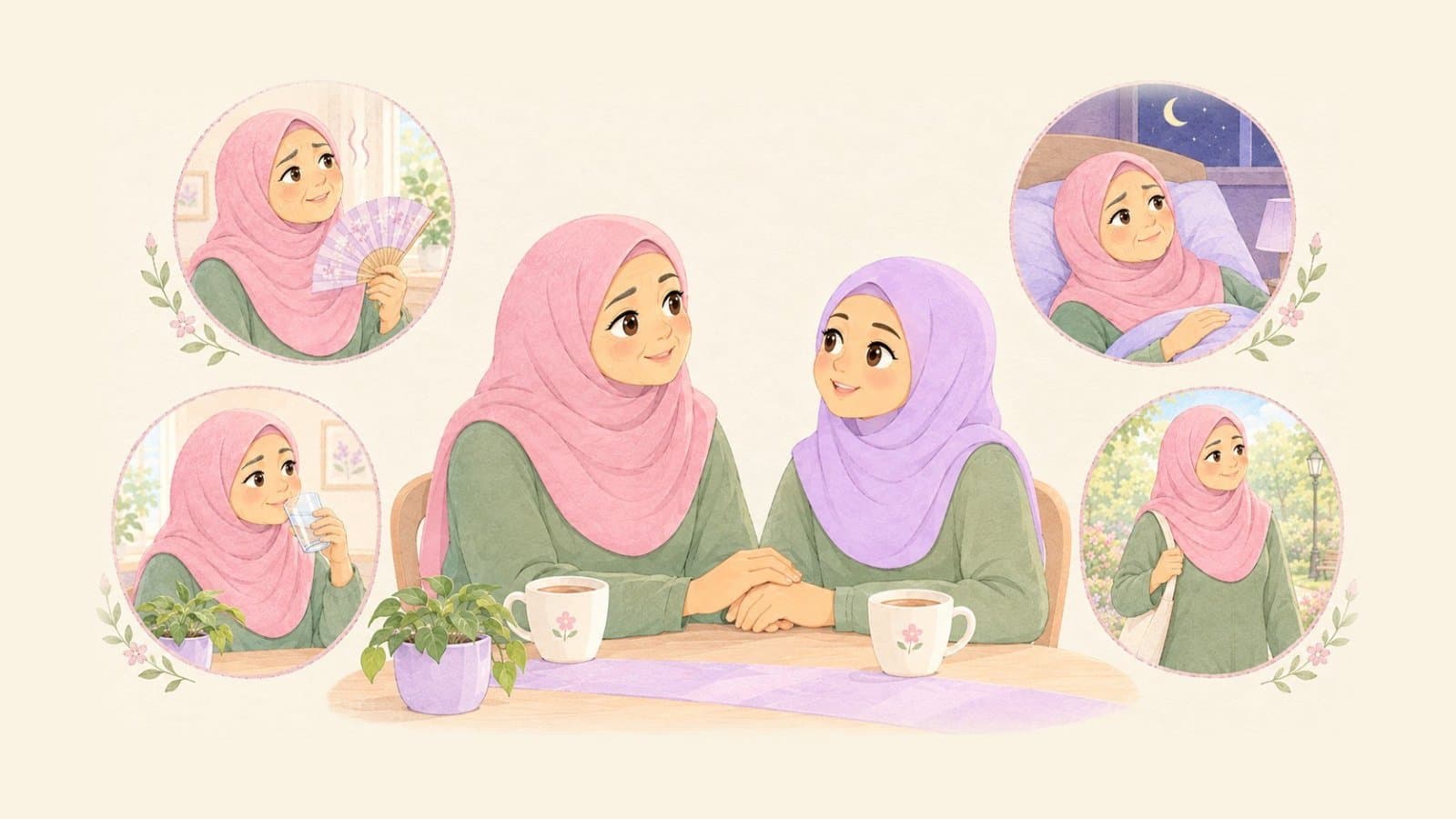
Treatment is tailored to each person
The UK guideline NICE recommends discussing options, benefits, and risks with each woman. Hormone replacement therapy is the most effective treatment for hot flashes and can help with other menopause symptoms. Whether it is suitable depends on an individual discussion of symptoms, medical history, and preferences. For those who cannot take hormones, non-hormonal medicines are available, and local treatments can help with vaginal dryness.
Simple measures can help, too: regular physical activity, maintaining muscle mass, getting enough calcium and vitamin D, not smoking, keeping the bedroom cool, and limiting caffeine.
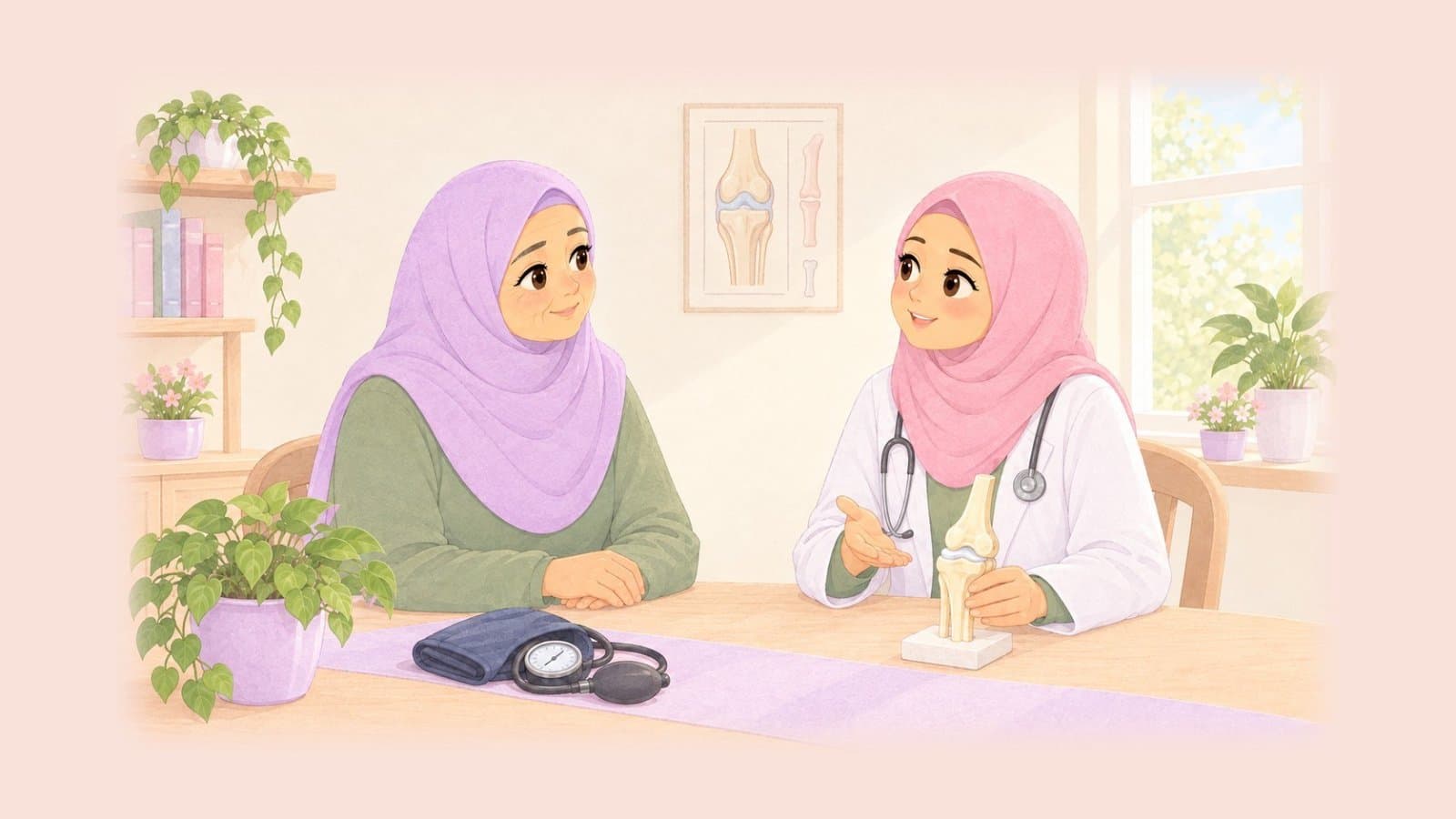
Bleeding after menopause should not be ignored
If you have gone 1 year or more without a period and then notice any bleeding, even just a small amount, the NHS advises you to see a doctor. The cause is often harmless, such as thinning of the lining of the womb, but bleeding can also be a sign of endometrial cancer, so it is important to get it checked.
The end of periods changes the rules of worship
Islamic rulings differ on when bleeding around or after menopause counts as hayd. When bleeding does not qualify as hayd under the rulings she follows, she performs salah and fasts without menstrual breaks. If bleeding is irregular during perimenopause or appears after a long break, it can be difficult to know whether to count it as a period. For religious guidance on how to treat this bleeding in worship, it is best to ask a trusted imam or an alima (female Islamic scholar); from a medical perspective, a doctor should assess it.
Hot flashes and insomnia can make fasting during Ramadan more difficult. If you take hormones or other medicines, discuss with your doctor how to fit them around suhoor and iftar. If fasting harms your health, Islam allows concessions for those who are ill; you can discuss this with an imam.
Menopause is not the end of womanhood, but a new stage of life. Many women find new freedom and energy during this time. Take care of yourself, and do not be afraid to ask for help.
This article is for information only and does not replace advice from a doctor. If something worries you, talk to a healthcare professional.