How to protect health and harmony in married life
A caring, practical guide to intimacy in marriage, with guidance on comfort, health, and when to seek medical advice.
Published Updated 3 min read

Many Muslim women learn about intimacy in marriage from friends or unreliable sources, and often the information is full of myths. Yet Islam does not treat this subject as shameful, and medicine has long known how to make intimacy safe and comfortable. Here, we discuss spouses’ health with care and clarity.
Islam sees intimacy as part of spouses’ care for one another
In the Quran, a husband and wife are described as “garments for one another”. Clothing protects, warms, and conceals imperfections, and spouses should bring the same qualities to their relationship. Intimacy in marriage is not only permitted but is also considered an important part of life together. Mutual respect, tenderness, and consideration for each other’s wishes and well-being are all part of this care.
Intercourse is put on hold during periods and postpartum bleeding
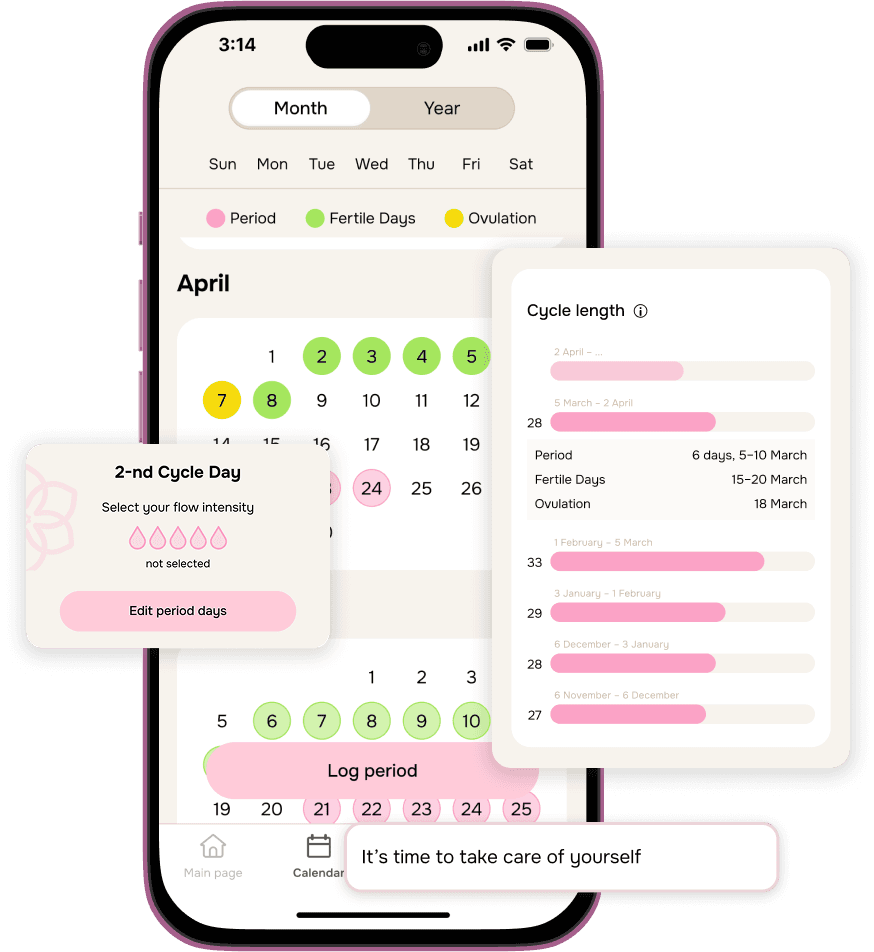
Verse 222 of Surah Al-Baqarah prohibits intercourse during menstruation until the wife has purified herself. The Prophet ﷺ nevertheless permitted “everything except intercourse”, so embraces, affection, and tenderness can remain part of a couple’s life during these days. It is best to ask an imam about exactly when intimacy becomes permissible again and how this relates to ghusl (ritual bathing), as the schools of Islamic law have some differences in detail.
The rules are similar after childbirth: intercourse is prohibited during nifas (postpartum bleeding), but other forms of affection are not categorically prohibited. Scholars differ on the limits, so ask a trusted scholar if you are unsure. Medically, there is no fixed timetable for resuming intercourse; follow your clinician’s advice and wait until you feel ready and healing is adequate. The Mayo Clinic notes that many couples wait until the postpartum visit to discuss healing. Keep contraception in mind too, since pregnancy can happen before the first period after childbirth.

Pain during intimacy is not normal
Many women endure pain for years, believing it is inevitable. Pain during intimacy, or dyspareunia, can be caused by insufficient lubrication, tension in the pelvic floor muscles, infections, endometriosis, scarring after childbirth, menopause, or anxiety. The Mayo Clinic and the MSD Manual describe these causes and ways to help. Taking time for affection before intimacy and using a lubricant can help; treatment depends on the cause, and a clinician may recommend pelvic floor physical therapy. Be sure to tell your gynecologist about the pain.

Simple habits protect both partners’ health
- Both spouses should maintain good hygiene before and after intimacy.
- Urinating after intimacy is harmless, but it has not been shown reliably to prevent cystitis.
- Choose contraception if you are not planning a pregnancy yet.
- Pay attention to unusual discharge, itching, sores, or pain in either spouse.
- Talk openly about what feels good and what does not.
If you or your husband has signs of an infection, seek medical advice. Whether both spouses need treatment depends on the diagnosis; partners should be evaluated and treated when recommended, including to prevent reinfection.
Bleeding after intimacy should be checked
Bleeding after intimacy can be caused by minor injuries, dryness, or cervical ectropion, and sometimes it is a sign of a polyp, infection, or changes in the cervix. Arrange a medical assessment if it happens repeatedly; seek prompt advice for bleeding after menopause or during pregnancy, and urgent care for heavy bleeding. Keep routine cervical screening up to date.
Spouses’ levels of desire may not match
A woman’s desire changes throughout her cycle and is also affected by fatigue, stress, children, and health. Neither husband nor wife should feel rejected when their desires do not match. A calm conversation, help with household chores, and caring for one another often do more for intimacy than any advice. If desire has been absent for a long time, consider seeing a doctor and, if needed, a family counselor.
A happy intimate life is built on care, trust, and knowledge. It is not shameful to talk about this with your husband and doctor—your family’s health and harmony depend on it.
This article is for information only and does not replace advice from a doctor. If something worries you, talk to a healthcare professional.