How desire changes throughout the menstrual cycle—and what couples should know
A woman’s desire can change throughout her cycle. Understanding why can help couples communicate with care and avoid misunderstandings.
Published Updated 3 min read

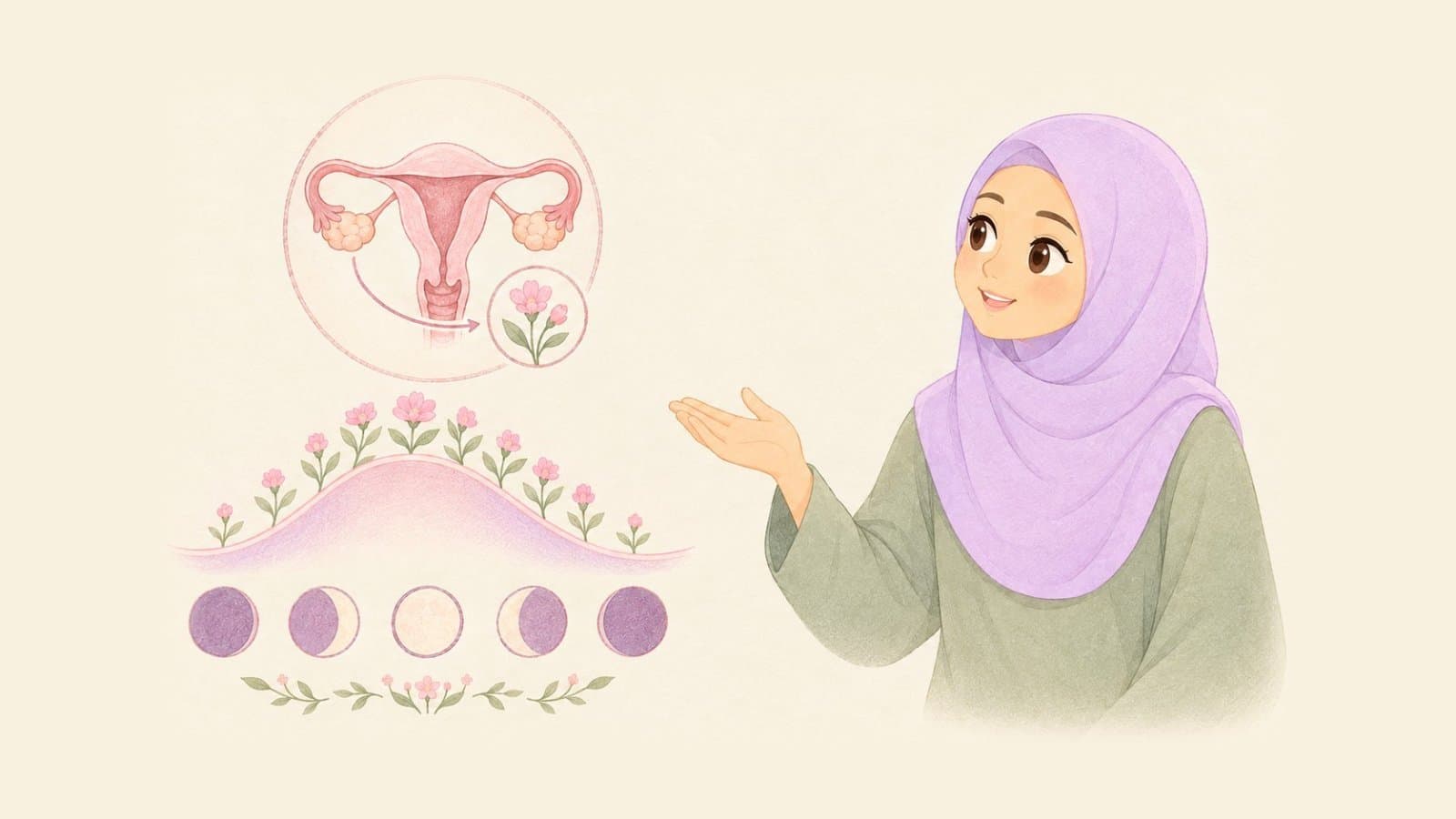
A woman’s desire for intimacy isn’t constant. It can change from week to week, and that’s normal. Understanding how the menstrual cycle can affect desire helps couples understand each other better and feel less hurt. Here’s what science tells us, and what Islam says about intimacy at different points in the cycle.
Desire rises along with estrogen
In a study by James Roney and Zachary Simmons, published in the journal Hormones and Behavior, women recorded their desire each day while researchers measured their hormone levels. On average, desire was associated with higher estrogen and lower progesterone, but patterns can vary between women. The study does not show that every woman’s desire peaks around ovulation.
Hormones are only 1 of many factors
There are wide differences from one person to another. Desire can be affected by tiredness, lack of sleep, stress, pain, the relationship, caring for young children, health, and medication. Some women notice changes while using hormonal contraception. In a study of nearly 2,000 women, about 1 in 4 reported less interest in intimacy 6 months after starting a new method of contraception. This was more common with hormonal injections, the ring, and the implant than with the copper IUD. If you notice a connection, discuss the method with your doctor rather than silently putting up with it.
Intimacy during menstruation is forbidden, but tenderness is not
The Qur’an speaks directly about menstruation. In verse 222 of Surah al-Baqarah, it says that during menstruation a husband should keep away from his wife and not approach her until she is pure. This is understood to mean that sexual intercourse is forbidden.
The prohibition does not mean becoming distant. When the Companions asked the Prophet ﷺ about this, he said: “Do everything except intercourse”. Aisha reported that the Prophet ﷺ recited the Qur’an with his head resting in her lap while she was menstruating. Hugs, affection, spending time together, and conversation remain part of married life during these days. Scholars differ on the specific boundaries of physical intimacy during menstruation, so it’s best to ask an imam for details.

Talking helps more than guessing
If desire has been absent for a long time, that’s no reason for resentment. It’s worth calmly discussing with your husband what has changed. Sometimes more rest and help around the house are enough, and sometimes there’s a medical reason. Pain during intimacy, vaginal dryness, depression, thyroid problems, the postpartum period, and menopause can all affect desire, and these issues can be treated. A gynecologist can help you understand what’s going on and refer you to other specialists if needed.

It can help a husband to know that changes in desire don’t mean his wife has fallen out of love with him. Being attentive to how she feels, especially during PMS and menstruation, strengthens intimacy far more than being persistent.
Marital intimacy is built on care. The better couples understand each other’s rhythms, the more peaceful and warm their relationship can become.
This article is for information only and does not replace advice from a doctor. If something worries you, talk to a healthcare professional.