How periods are linked to iron deficiency—and what to do about it
Ongoing fatigue, brittle nails and hair loss can be signs of iron deficiency. Learn how periods can contribute, which tests to ask about and how to replenish iron.
Published Updated 3 min read

Ongoing fatigue, sleepiness, brittle nails and hair loss can seem like ordinary side effects of a busy life. But they can often be caused by low iron, and periods are one of the main reasons women develop iron deficiency. Here’s how to recognise it, which tests to take and how to replenish iron while following a halal diet and fasting.
Periods are a leading cause of iron deficiency in women
The body loses iron along with blood each month. If your periods are heavy, you may lose more iron than you get from food. As gynaecologist Malcolm Munro writes, heavy periods are the most common cause of iron deficiency and iron-deficiency anaemia in women of reproductive age. Iron stores become depleted first, and only later does haemoglobin fall. You can feel unwell even when your full blood count is still normal.
Iron deficiency can look like ordinary tiredness
- Weakness and getting tired easily.
- Shortness of breath and a racing heartbeat during everyday activities.
- Dizziness and headaches.
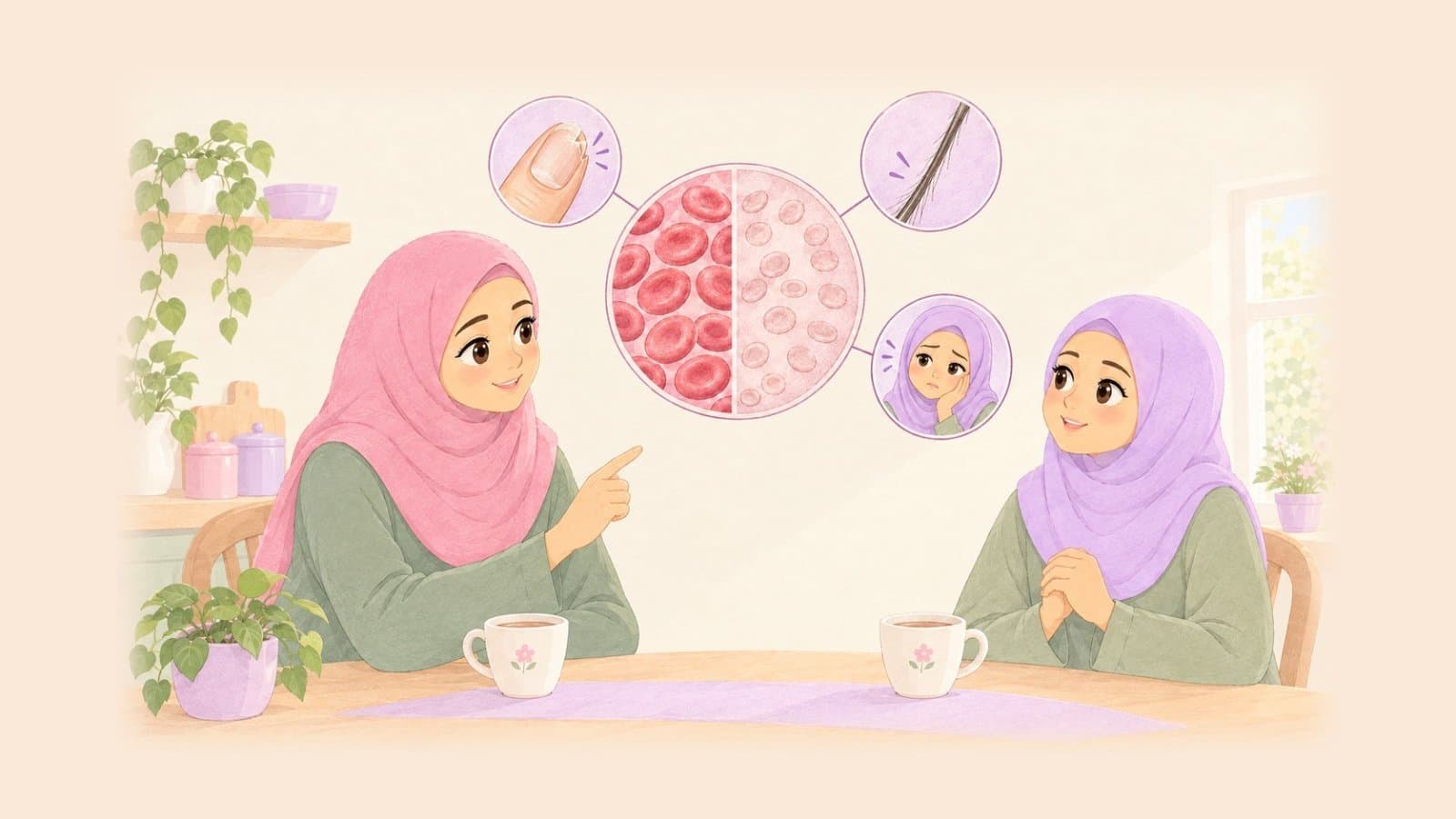
- Pale skin, brittle nails and hair loss.
- Craving unusual things, such as ice or chalk.
- Difficulty concentrating and irritability.
Ferritin shows your iron stores
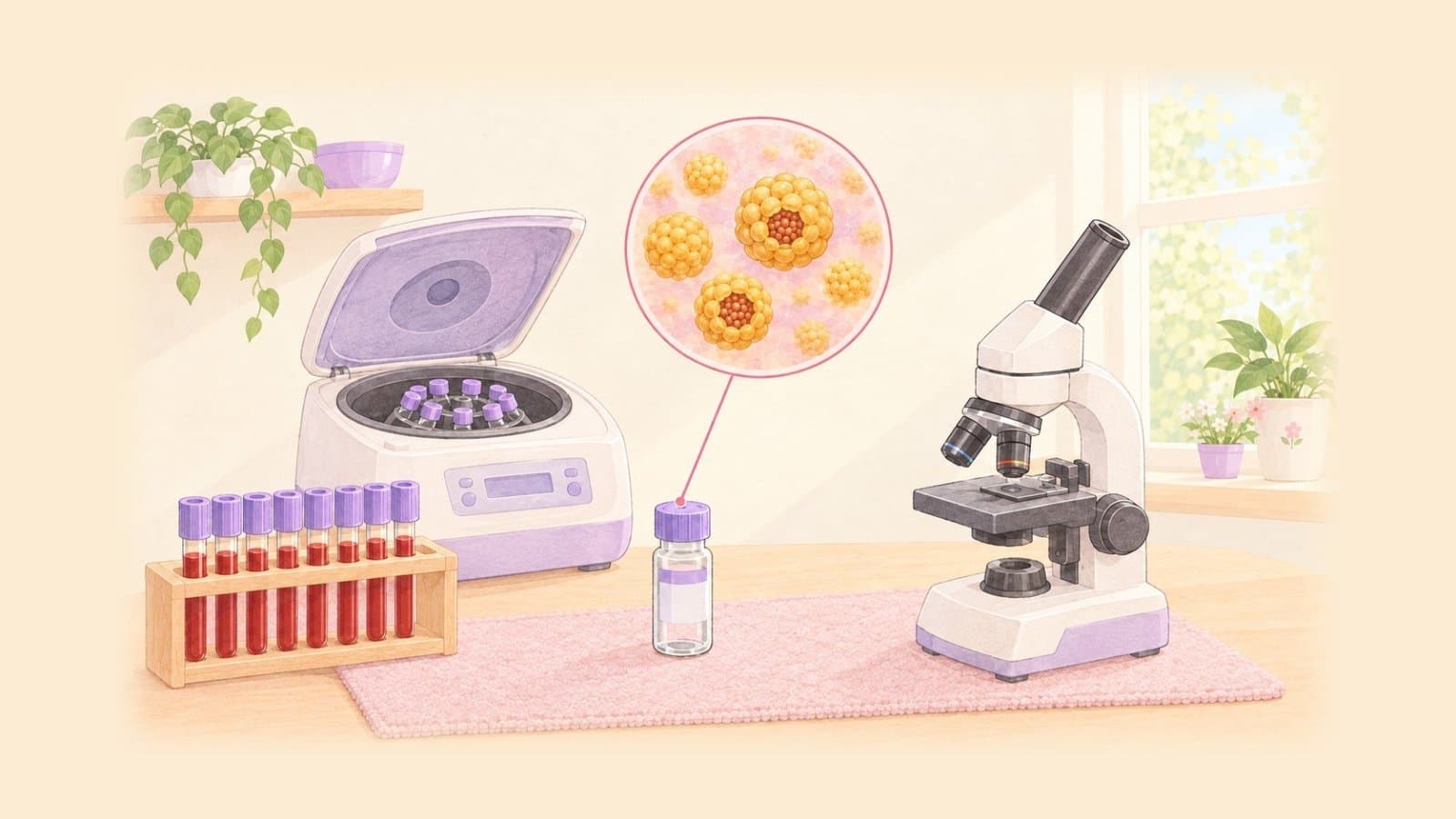
A full blood count measures haemoglobin and can show whether you have anaemia, but it does not show iron stores; ferritin is used to assess them. The World Health Organization recommends using ferritin to assess iron stores. In apparently healthy adults, a level below 15 micrograms per litre indicates iron deficiency. For adults with infection or inflammation, WHO says a level below 70 micrograms per litre may indicate deficiency. Inflammation can raise ferritin and mask a deficiency, so it’s best to discuss your test results with a doctor.
Food can help, but sometimes supplements are needed
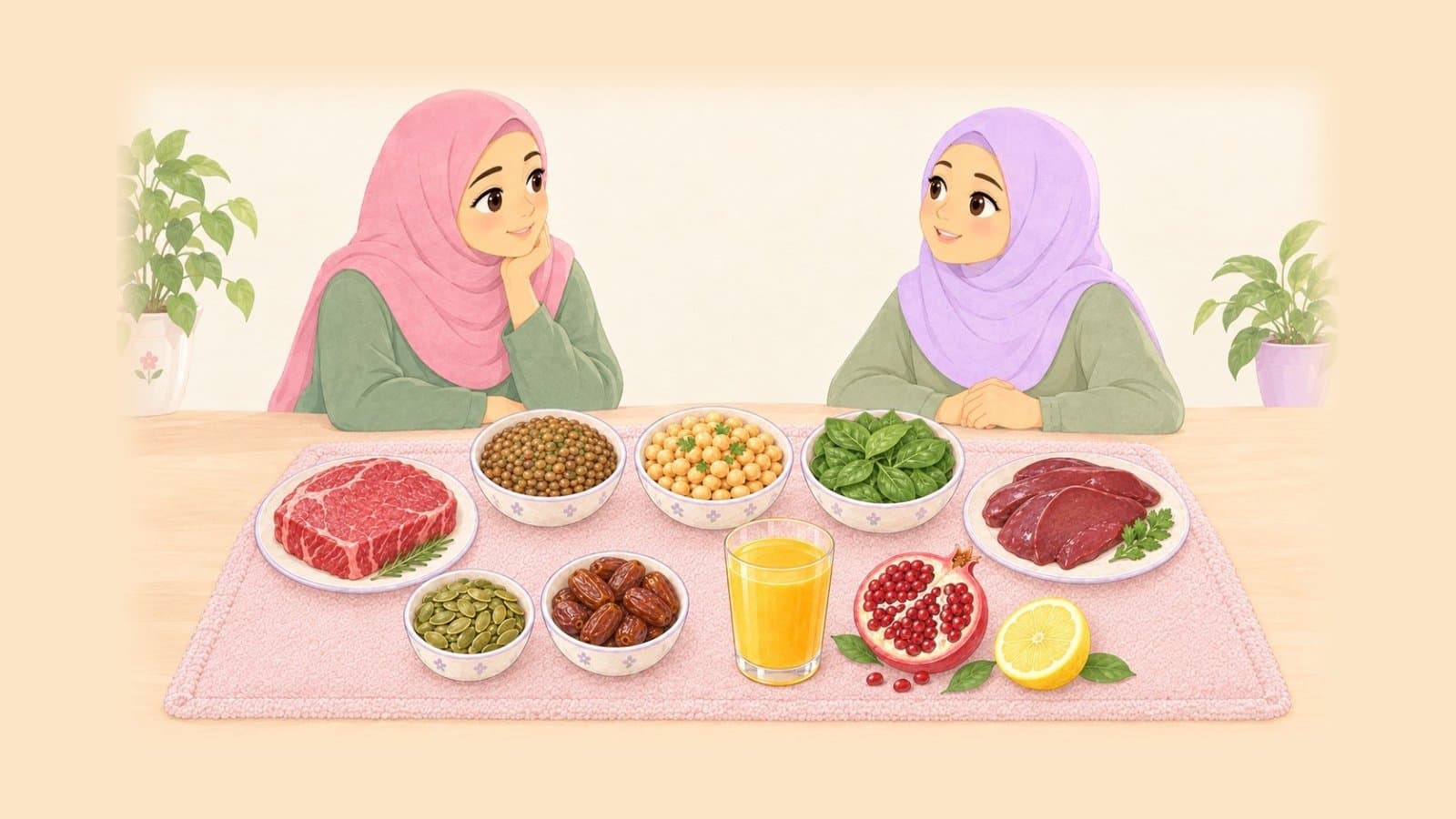
Heme iron, found in meat, liver and fish, is absorbed most easily. Halal sources include beef, lamb, chicken, turkey, liver and fish. Plant foods such as lentils, beans, chickpeas, spinach and buckwheat contain iron that is harder to absorb. Foods rich in vitamin C, such as peppers, citrus fruits and greens, can help your body absorb it. Tea and coffee can interfere with absorption, so it’s best to have them 1–2 hours after eating.
If you already have a deficiency, food alone usually isn’t enough to restore your iron levels, and a doctor may prescribe an iron supplement. Don’t take one without having tests first—too much iron can also be harmful. Treatment usually lasts several months, and it’s important not to stop as soon as you start feeling better. It’s also important to find and address the cause, in this case heavy periods.
Pay attention to halal ingredients and fasting
Some supplements come in gelatin capsules, and the gelatin may come from animals. If this matters to you, check the ingredients, look for a halal label or ask a pharmacist about tablets that don’t contain gelatin.
During Ramadan, you can take an iron supplement after iftar or at suhoor. If the tablets make you feel nauseous on an empty stomach, it may be easier to take them with or after food, although this slightly reduces absorption. Discuss your schedule with a doctor. Dates at iftar are nourishing, but they won’t replenish much iron.
If you’re constantly feeling drained, don’t assume it’s just work and responsibilities. A simple blood test can explain a lot, and restoring iron levels often brings back your energy within a few weeks.
This article is for information only and does not replace advice from a doctor. If something worries you, talk to a healthcare professional.