What is functional hypothalamic amenorrhea, and how can you get your cycle back?
When periods stop, the cause may be too little energy or ongoing stress. Learn what functional hypothalamic amenorrhea is and what can help restore your cycle.
Published Updated 3 min read

Your period has stopped, your pregnancy test is negative, and your test results seem mostly fine. Sometimes the reason is that your body isn’t getting enough energy or is living with constant stress. This is called functional hypothalamic amenorrhea. Here’s why it happens, how it can affect your health, and what can help restore your cycle.
When resources are low, the brain temporarily switches off the cycle
The cycle is started by the hypothalamus, a part of the brain that monitors energy stores and stress levels. When there isn’t enough energy, it reduces production of the hormone that triggers the ovaries to work. Ovulation stops, estrogen levels fall, and periods stop. The US Endocrine Society identifies 3 main causes in its guidance, which often occur together.
- Not eating enough, restrictive diets, or weight loss.
- Intense or exhausting exercise.
- Long-term psychological stress.

Amenorrhea can develop even at a normal weight
Many people believe periods stop only when someone is very underweight. The International Olympic Committee consensus describes a condition in which energy intake is low compared with energy expenditure, even when someone’s weight appears normal. This can happen to athletes, people who walk and exercise a lot while eating “healthily” but not enough, and people who are constantly rushing and not getting enough sleep.
Without treatment, bones, the heart, and mood can be affected
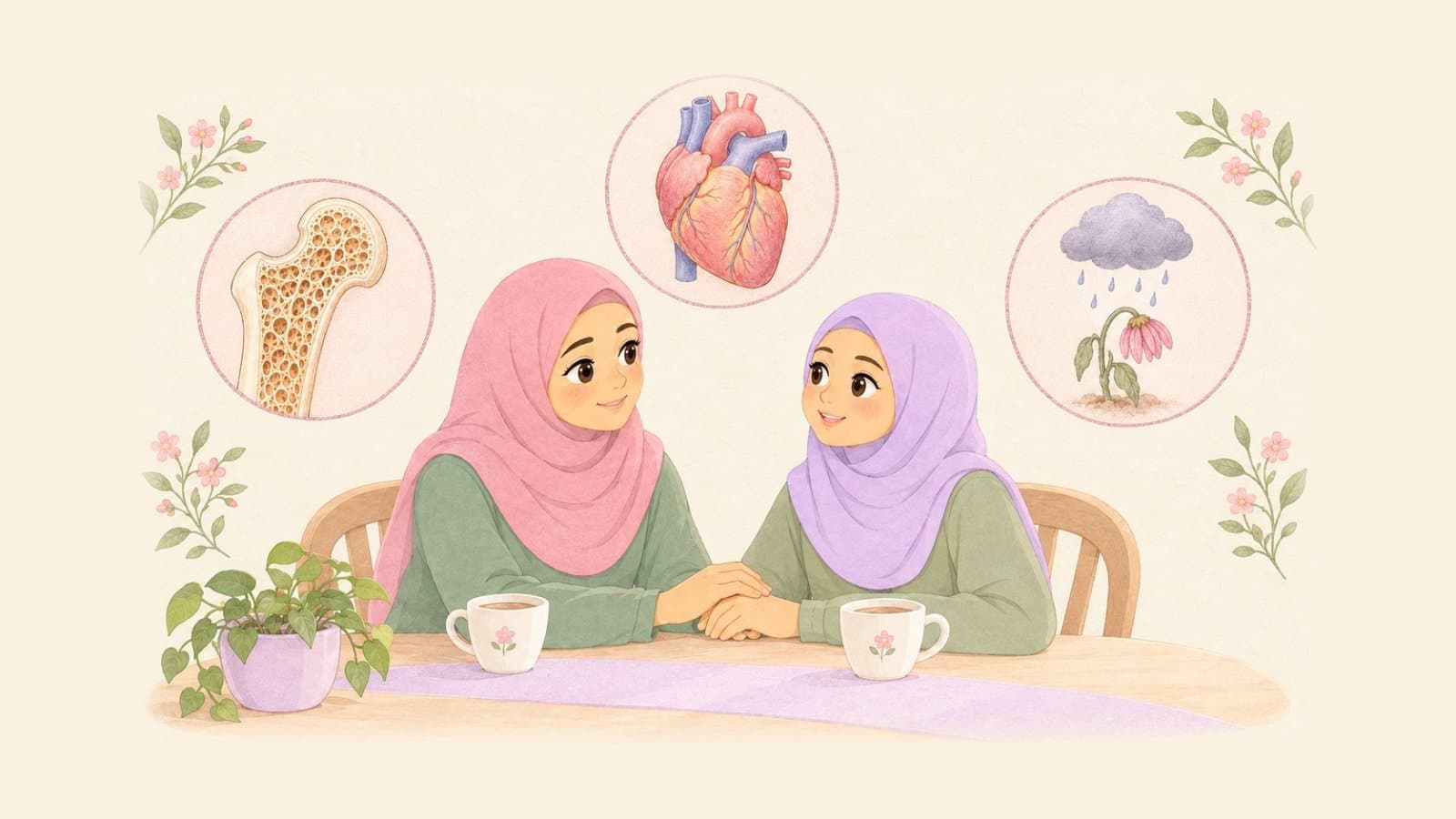
A prolonged lack of estrogen weakens bones, raises the risk of fractures, and affects blood vessels, mood, sleep, and fertility. The Endocrine Society advises not to wait for periods to return on their own, and to seek an evaluation if they have been absent for 3 months or more. A doctor will rule out pregnancy, thyroid disease, high prolactin, and polycystic ovary syndrome; if amenorrhea has lasted a long time, they may also recommend a bone-density test.
Restoring energy can help bring your cycle back
The main treatment isn’t hormones; it’s addressing the cause.
- Eat regularly and get enough food for your activity level, including protein, fats, and carbohydrates.
- Reduce the intensity of your workouts while you recover.
- Get 7–9 hours of sleep.
- Work on managing stress, including with support from a psychologist.
- Get help from a specialist if you have signs of an eating disorder.
Hormonal pills can cause withdrawal bleeding, but they don’t restore your natural cycle and, as the Endocrine Society notes, shouldn’t be the first step in treatment. Recovery may take several months.

Extra voluntary fasts and strict diets may not go well together
Many Muslim women observe voluntary fasts on Mondays and Thursdays, on the day of Ashura, or during the first days of Shawwal. This is a good deed, but if you eat very little on other days and exercise a lot, your body may not get enough energy. If your cycle is disrupted, discuss with your doctor how many additional fasts are safe for you, and make sure your meals after iftar are nourishing and complete.
In Islam, the body is considered a trust placed in our care, and looking after it does not conflict with worship. If fasting harms your health, an imam can help you understand what allowances are available.
The return of your period can be a sign that your energy balance is improving, though it may not mean recovery is complete. Be gentle with yourself: recovery begins with care, not new restrictions.
This article is for information only and does not replace advice from a doctor. If something worries you, talk to a healthcare professional.