What is endometriosis, and why it’s important not to overlook it
Severe period pain is not something you have to simply endure. Learn what endometriosis is, how it can affect you, and what may help.
Published Updated 3 min read

Many girls are told from a young age that periods are supposed to hurt and that they should just put up with it. As a result, women with endometriosis can live with severe pain for years without knowing that its cause can be found and treated. Here’s what the condition is, how it can show up, and what can help.
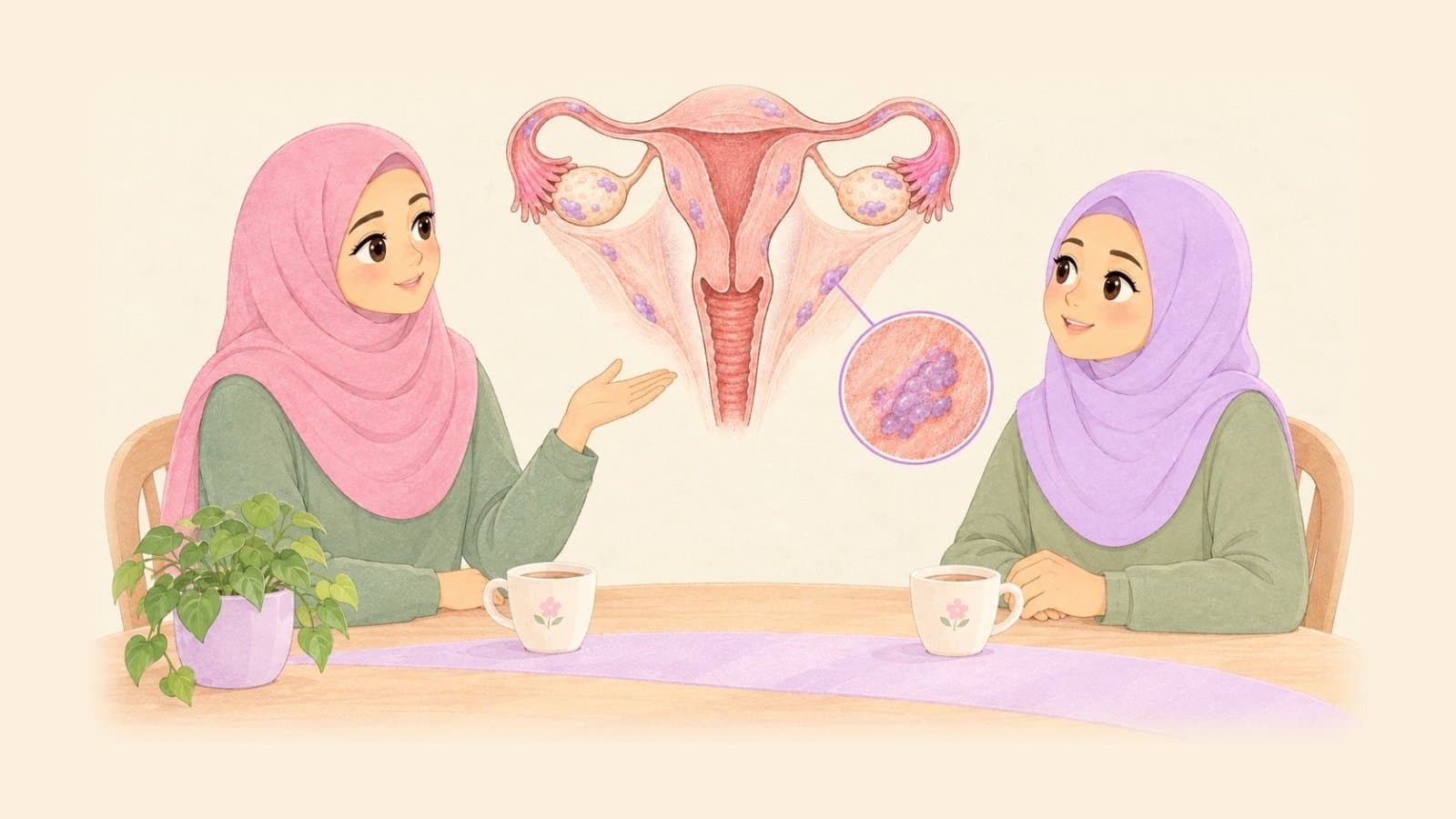
With endometriosis, tissue similar to the lining of the uterus grows outside it
Endometriosis is a chronic condition in which patches of tissue similar to the endometrium appear on the ovaries, the lining of the abdomen, the fallopian tubes, and sometimes the bowel and bladder. These patches respond to cycle hormones and can cause inflammation, pain, and adhesions. The World Health Organization estimates that around 10% of women of reproductive age—190 million women worldwide—have endometriosis.
The causes of endometriosis are not fully understood
One of the main theories links endometriosis to retrograde menstruation, when some menstrual blood flows through the fallopian tubes into the abdominal cavity. This backward flow seems to happen to many women, while only some develop endometriosis. A 2024 systematic review also questioned whether retrograde menstruation happens in everyone. Scientists believe that the immune system, heredity, and hormones play important roles.
Endometriosis symptoms are often dismissed as normal period pain
The WHO lists the following signs.
- Severe pain during periods.
- Heavy periods.
- Chronic pain in the lower abdomen that does not go away after your period.
- Pain during sex.
- Pain when urinating or having a bowel movement, especially during your period.
- Bloating, nausea, fatigue, or low mood.
- Difficulty getting pregnant.
Some women have no symptoms, and endometriosis is found by chance.
It takes several years on average to get a diagnosis
According to the WHO, it takes an average of 4 to 12 years from the first symptoms to diagnosis. This is because pain is considered normal and the symptoms can resemble those of other conditions. Diagnosis is based on asking about symptoms, an examination, an ultrasound, or an MRI. The WHO notes that treatment can begin without surgery; laparoscopy is needed when doctors need to confirm the diagnosis or remove lesions.
Treatment can help manage the condition
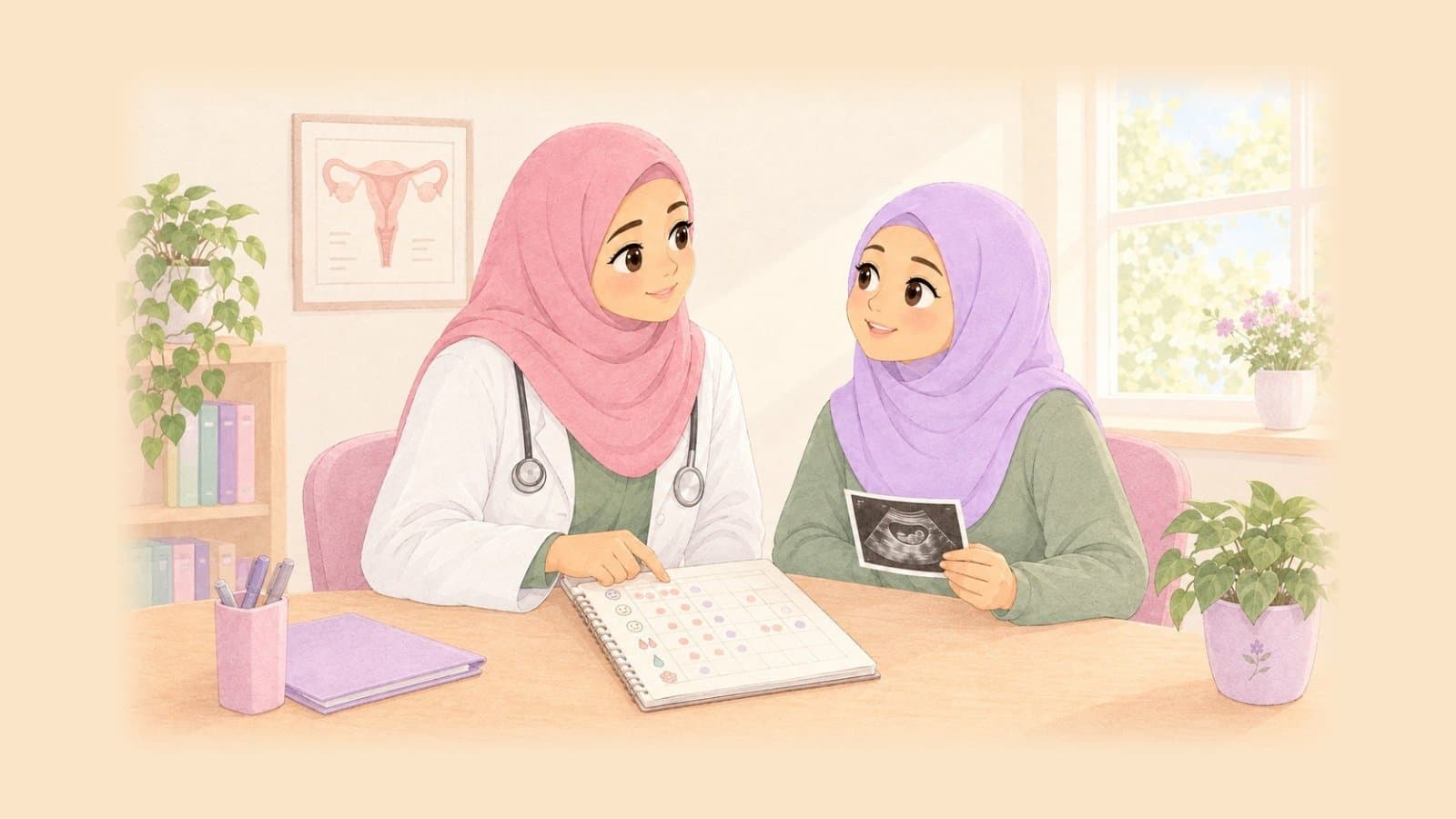
Endometriosis has no guaranteed cure, but treatment can help manage pain and other symptoms. Options include pain-relief medicines, hormonal treatments that may reduce symptoms, and, in selected cases, surgery. Treatments can affect fertility differently, and some surgery may reduce ovarian reserve. If you are planning a pregnancy, discuss timing and options with your doctor; assisted reproductive technologies may also be considered.

It’s worth talking to your husband and doctor about pain during sex
Endometriosis can make sex painful, which can affect a marriage. Many women stay silent because they are afraid of hurting their husband or seeming “not normal.” An open conversation can help. A husband who understands the condition can be more considerate and support his wife through treatment. If you are trying to conceive, ask your doctor when to seek a fertility assessment. Evaluation is generally recommended after 12 months of trying if you are under 35, after 6 months if you are 35 or older, and sooner with known endometriosis or other concerns. Both partners may need assessment.
Severe pain can affect worship and everyday life. During menstruation, women do not pray or fast; missed Ramadan fasts are made up, while prayers are not. If illness or pain affects fasting outside menstruation, the relevant rulings depend on the circumstances, so discuss your situation with a trusted imam or scholar.
Pain that gets in the way of your life is not normal. If you recognize yourself in this article, make an appointment with a gynecologist and describe your symptoms in detail. You deserve to be heard.
This article is for information only and does not replace advice from a doctor. If something worries you, talk to a healthcare professional.