What to know about the clitoris and why it needs care
Learn how the clitoris is structured, why harmful procedures can have lifelong consequences, and how medicine and Islamic scholars view them.
Published Updated 3 min read

People rarely talk about the clitoris, and there is a lot of shame and misinformation surrounding it. Yet it is part of the female body and is directly connected to health and harmony in marriage. We explain how it is structured, why procedures in this area are dangerous, and how medicine and Islamic scholars view them.
The clitoris is much larger than what is visible on the outside
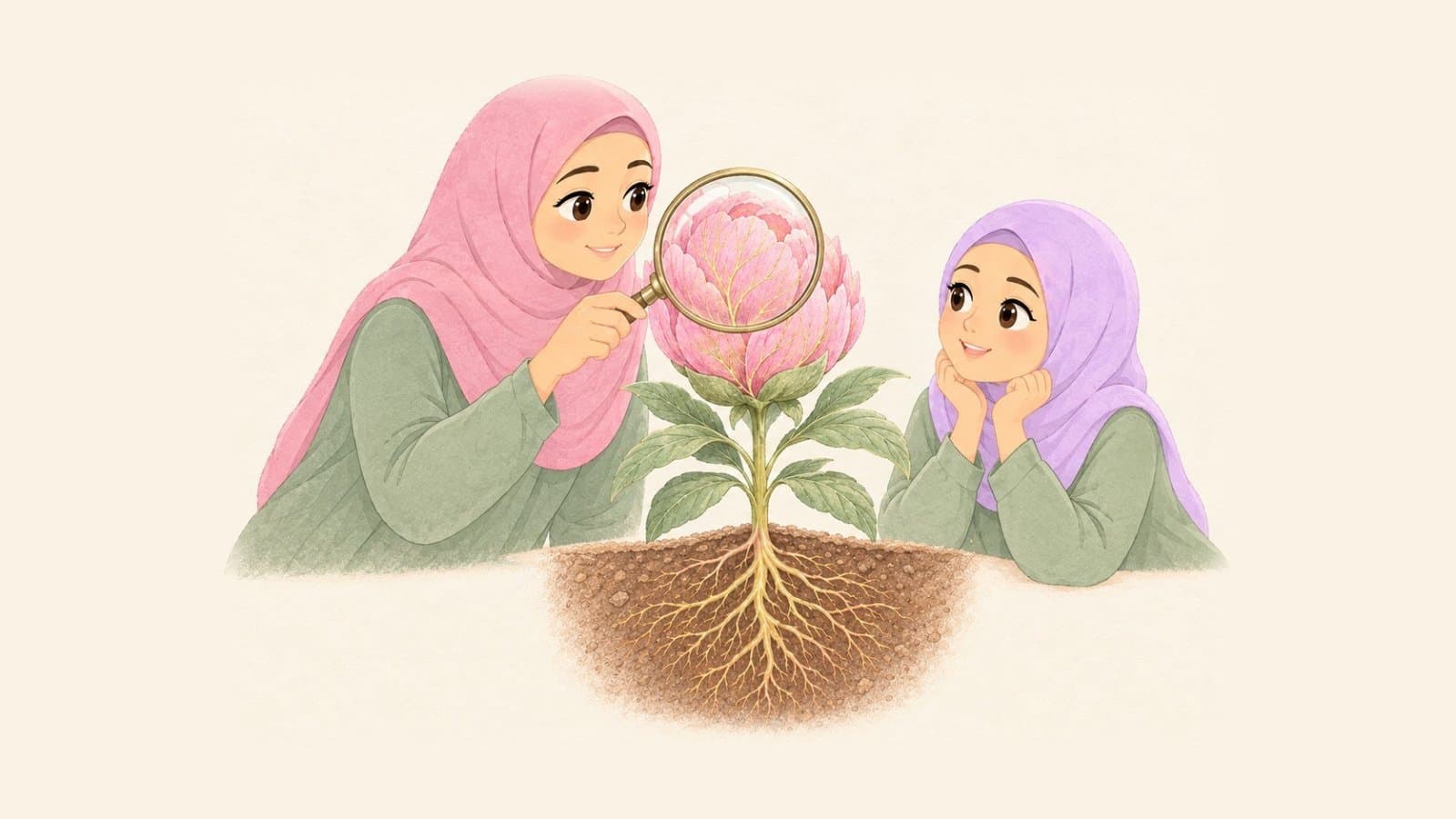
For a long time, textbooks showed only the small, visible part of the clitoris. In 2005, Australian urologist Helen O'Connell and her colleagues published a detailed description of its anatomy. The visible glans is only a small part of the organ. Internally, the clitoris includes a body and 2 crura; paired vestibular bulbs lie alongside the vaginal opening. These structures extend several centimeters inside the body.
The clitoris contains more than 10,000 nerve fibers
Popular articles repeated the figure of 8,000 nerve endings for a long time, even though no direct counts had been made. In 2022, surgeons at Oregon Health & Science University counted nerve fibers in small samples from one side of the dorsal clitoral nerves from seven volunteers. Based on those counts, they estimated that both dorsal nerves together contain more than 10,000 fibers; this was not a count of every nerve fiber throughout the clitoris. The dorsal nerves are a major source of clitoral sensation, and the area’s rich nerve supply helps explain why injuries or procedures there can have serious consequences.
The clitoris matters for healthy intimacy in marriage
The clitoris is the only organ whose main known function is related to pleasure. Arousal increases blood flow to the genitals and the production of natural lubrication, making intimacy more comfortable and less painful. If sex hurts or feels unpleasant for a wife, she does not have to endure it; she can talk with her husband and, if needed, a gynecologist.
In the Quran, spouses are described as “garments for one another”, and caring about intimacy being pleasant for both is a natural part of marriage. An open, considerate conversation between husband and wife can help more than any advice.
Mutilating procedures can cause lifelong harm
The World Health Organization defines female genital mutilation as any removal or injury to the external female genital organs for non-medical reasons. More than 230 million women and girls around the world have undergone these procedures, most often before the age of 15. The consequences include severe pain, bleeding, infections, problems urinating, painful sex, complications during childbirth, and psychological trauma. These procedures have no health benefits.
This practice also occurs in Russia. In 2016, the human rights organization Legal Initiative documented it in some mountainous areas of Dagestan, as UN Radio reported.
Islamic scholars oppose harmful practices
Many people believe this practice is required by religion, but leading Islamic institutions disagree. Egypt’s Dar al-Ifta, one of the oldest institutions that issues fatwas, has declared female genital mutilation forbidden except when medically necessary, because of the harm it causes to the body and soul. Islam forbids causing harm, and a girl’s health is among the things her parents are responsible for protecting.
If you or someone close to you is being pressured, speak with a doctor, an imam, or a human rights organization you trust. If a procedure has already been performed and is causing pain or difficulties, a gynecologist can help—and there is nothing to be ashamed of.
Hygiene in this area is simple
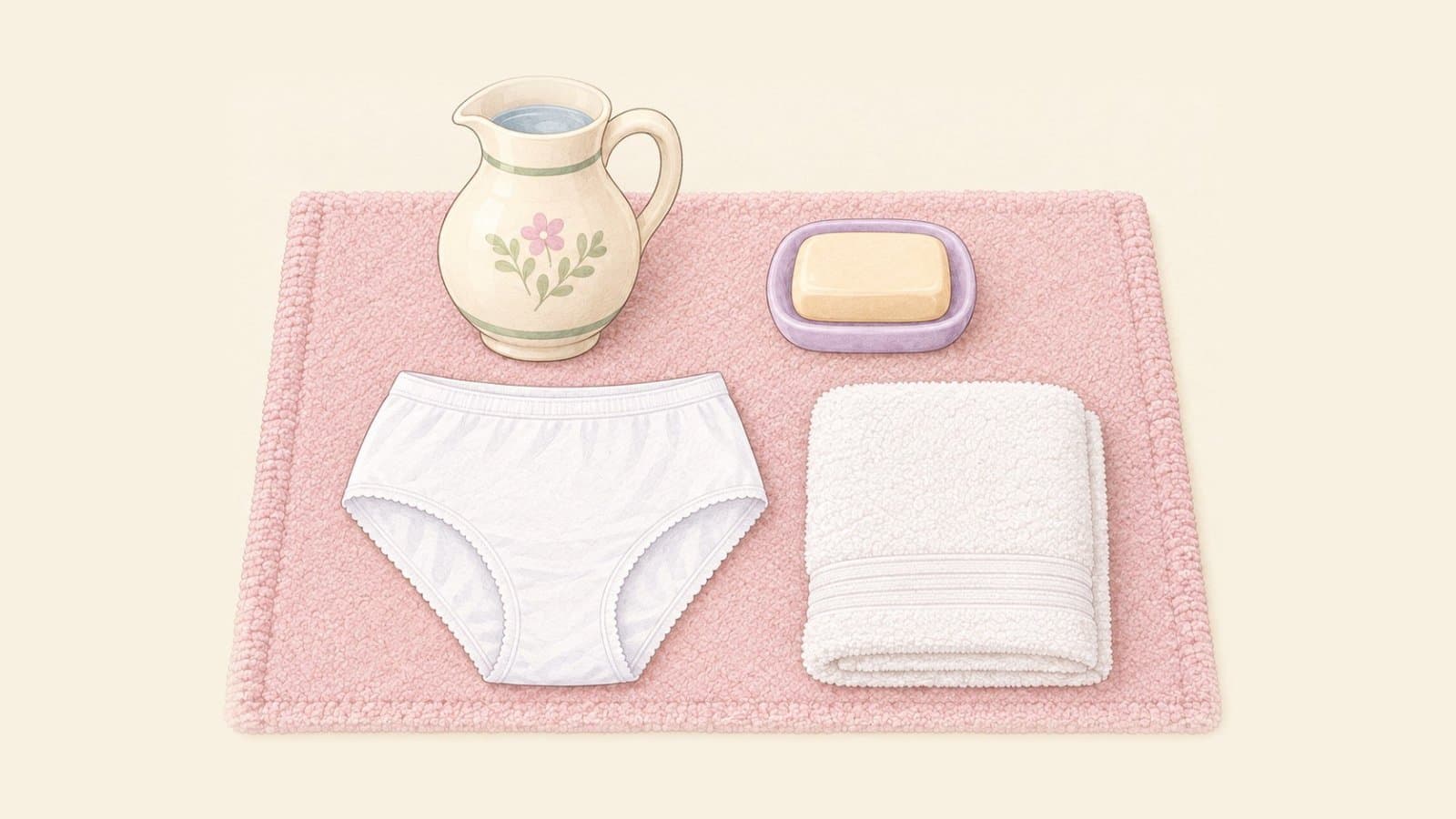
The clitoris and the surrounding tissues do not need special care. It is enough to wash the external genitals with warm water, gently parting the folds, and to avoid scented soaps. Itching, swelling, pain, or a lump should be checked by a doctor.
There is no shame in knowing your body. It helps you protect your health, keep your daughters safe, and build intimacy in marriage based on care and respect.
This article is for information only and does not replace advice from a doctor. If something worries you, talk to a healthcare professional.