Which checkups and tests are needed during pregnancy?
Regular checkups help notice problems early and keep you and your baby healthy. Learn which tests are usually done, when they are planned and how to prepare.
Published 5 min read
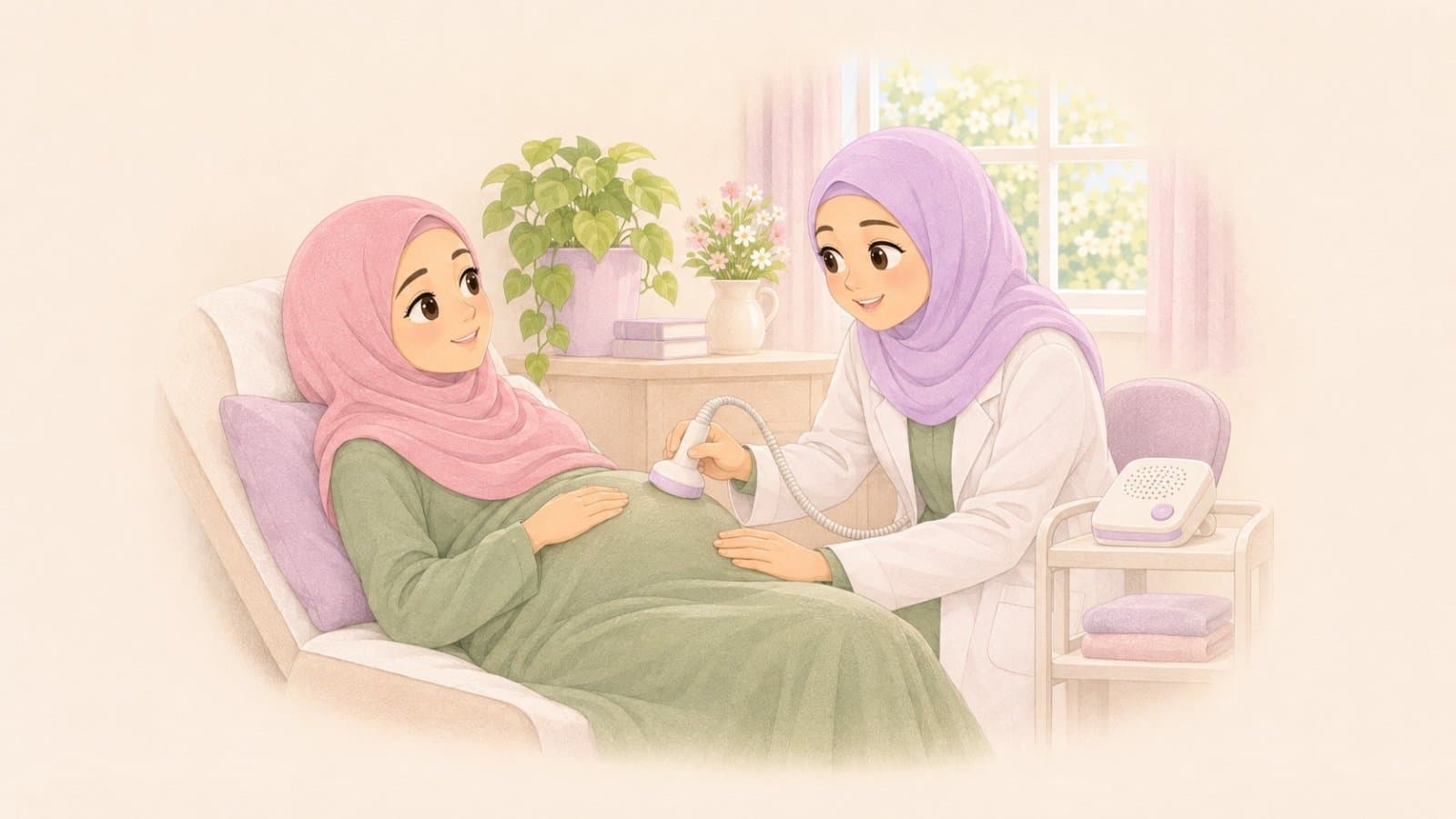
Antenatal care can seem like an endless list of tests and appointments. Each of them has a purpose, though. Some checks show how your body is coping with pregnancy, others how your baby is growing. Most of them are simple and painless. Below is an overview of the main checkups, so you know what to expect.
How many appointments are recommended
The World Health Organization recommends at least 8 antenatal contacts during pregnancy and at least 1 ultrasound scan before 24 weeks. In the UK, the NHS offers at least 10 appointments in a first pregnancy and at least 7 if you have given birth before. The schedule depends on the country and your health, so your doctor will tell you exactly when to come.
Appointments are usually less frequent at the beginning and become more frequent towards the end of pregnancy, when it is especially important to monitor blood pressure and the baby’s growth.
The first appointment
The first visit usually takes place at 8 to 12 weeks. The doctor or midwife asks about your health, previous pregnancies, medicines and family history. According to the NHS, at this visit your blood pressure is measured, a urine test is done, and you are offered a blood test.
Blood tests in early pregnancy usually check:
- blood group and Rh factor;
- hemoglobin, to look for anemia;
- infections such as hepatitis B, HIV and syphilis;
- in some countries, immunity to rubella and markers of thalassemia or sickle cell disease.
These checks are especially important because many infections and blood conditions don’t cause any symptoms but can affect the baby. If something is found, treatment can start early.
Urine tests and blood pressure
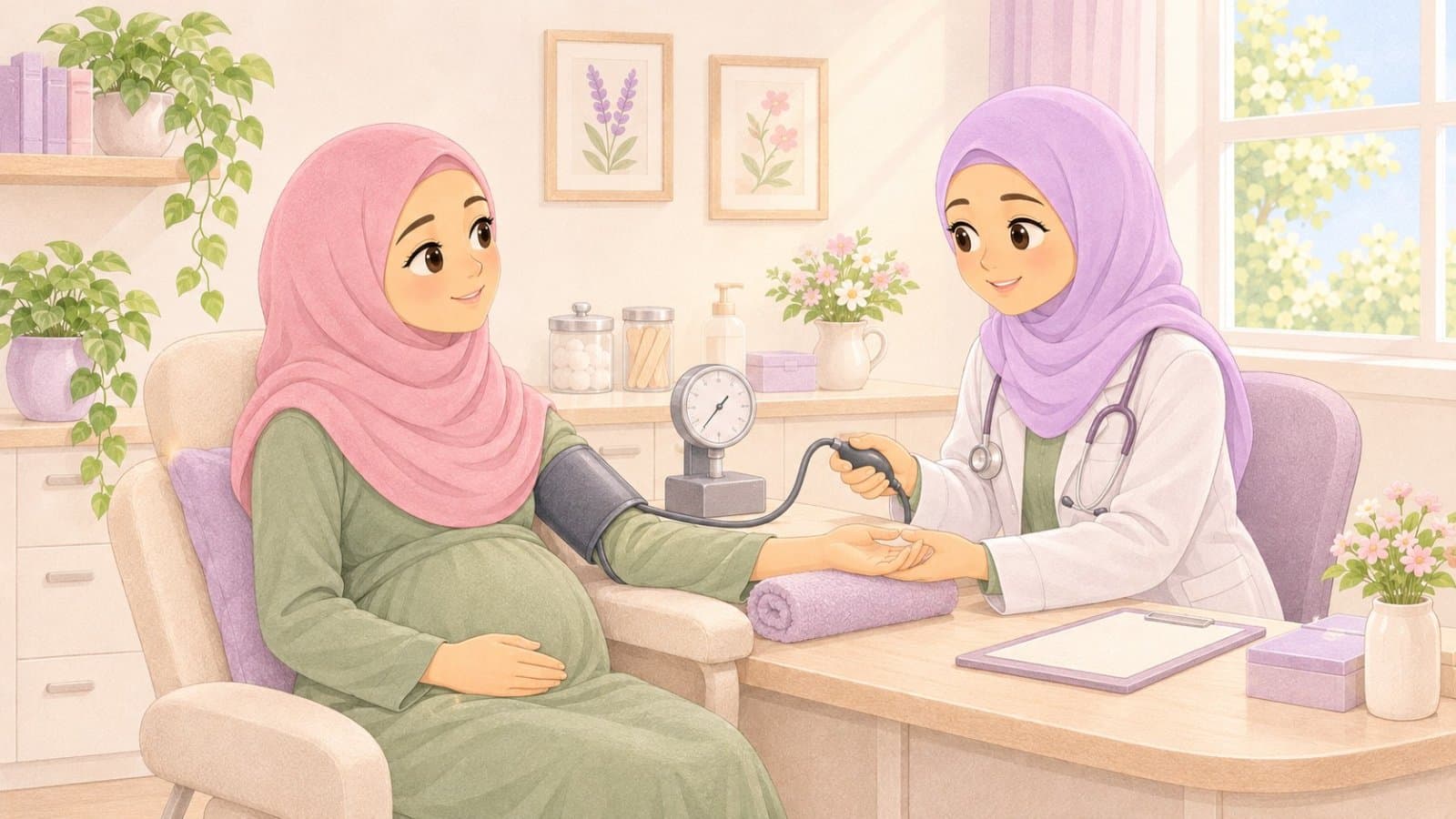
A urine test is done at almost every visit. It shows protein, which can be a sign of pre-eclampsia, and signs of urinary infection. Together with blood pressure measurements, it helps detect pre-eclampsia early. This condition is dangerous for mother and baby, but with timely care it can be managed.
Tell your doctor right away if you have a severe headache, problems with vision such as blurring or flashing lights, pain just below the ribs or sudden swelling of the face, hands or feet. These may be signs of pre-eclampsia and need urgent attention.
Scans in each trimester
Ultrasound is the main way to see how your baby is developing. The NHS offers at least 2 scans:
- The dating scan at 11 to 14 weeks. It confirms the gestational age and due date, shows whether there is more than one baby and can include screening for chromosomal conditions.
- The 20-week scan at 18 to 21 weeks. It checks the baby’s organs and development in detail and shows where the placenta is located.
In many countries, a third scan is offered in the third trimester to check the baby’s growth, position and the amount of amniotic fluid. Scans are painless and have no known risks to the mother or baby.
Screening and the glucose test
In the first and second trimesters, you may be offered genetic screening. It estimates the chance of certain chromosomal conditions. Screening is voluntary, and your doctor should explain what the results can and cannot show.
At 24 to 28 weeks, many women have a glucose tolerance test to check for gestational diabetes. You drink a sweet liquid, and your blood sugar is measured before and after. In some countries, this test is offered to everyone, in others only to women with a higher risk, such as those with a high body weight, a family history of diabetes or gestational diabetes in a previous pregnancy.

Later in pregnancy
In the third trimester, appointments become more frequent. The doctor or midwife measures your belly to track the baby’s growth, listens to the baby’s heartbeat and checks its position. A repeat blood test for anemia is often done around 28 weeks. If your blood is Rh-negative, you may be offered an injection to prevent Rh incompatibility.
In some countries, women are also offered a swab test for group B streptococcus in late pregnancy. It is a common bacterium that is usually harmless for the mother but can pass to the baby during birth.
Comfort and modesty during examinations
Many Muslim women prefer to be examined by a female doctor or midwife. Islamic scholars generally consider this preferable when it is possible. When there is no female specialist available or the situation is urgent, being examined by a male doctor is permitted out of necessity, preferably with a husband, relative or nurse present.
You can ask for a female specialist when booking your appointment, request a chaperone, and ask the doctor to uncover only the part of the body being examined. Most clinics respect these wishes. If you have questions about specific situations, ask an imam (Islamic religious leader) or an alima (female Islamic scholar).

How to get the most from each visit
Keep all your results in one folder or app and bring them to every appointment. Write down questions in advance, because it is easy to forget them in the doctor’s office. If you don’t understand a result, ask the doctor to explain it in simple words.
Regular checkups are not a sign that something is wrong. They are a way to take care of you and your baby, notice changes early and give you confidence in the months ahead.
This article is for information only and does not replace advice from a doctor. If something worries you, talk to a healthcare professional.