What is ovulation and how can you recognize it?
Learn how ovulation happens, when it may occur, and which signs can help you recognize it.
Published Updated 3 min read

People often think about ovulation when they are trying to get pregnant or, conversely, hoping to avoid pregnancy. In fact, it is a central event in the menstrual cycle, affecting hormones, how you feel, and even when your next period arrives. Here, we explain how ovulation happens, when it occurs, and which signs you may notice.
Ovulation releases an egg that can be fertilized for about a day
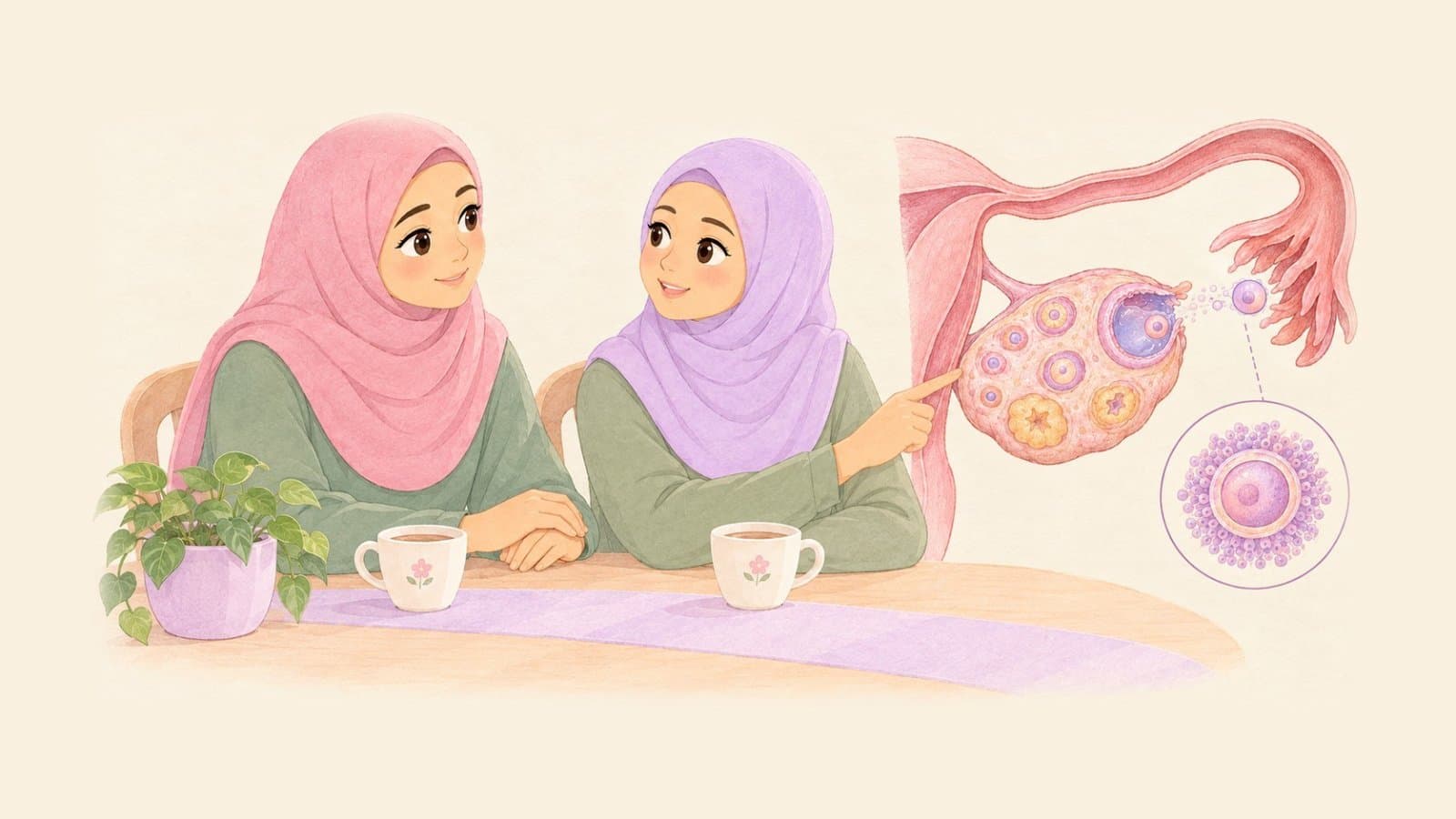
During the first half of the cycle, a follicle—a small sac containing an egg—grows in the ovary. When it is mature, a surge of luteinizing hormone triggers the follicle to rupture and release the egg from the ovary. Tiny finger-like structures help guide the egg into the nearby fallopian tube, where it can be fertilized. The Cleveland Clinic notes that release takes only a few seconds and that the egg survives about 12–24 hours after ovulation.
Sperm can live in a woman’s body for up to 5 days. That means, according to the American College of Obstetricians and Gynecologists (ACOG), pregnancy is possible after sex in the 5 days before ovulation and within 1 day afterward.
Ovulation does not always happen on day 14
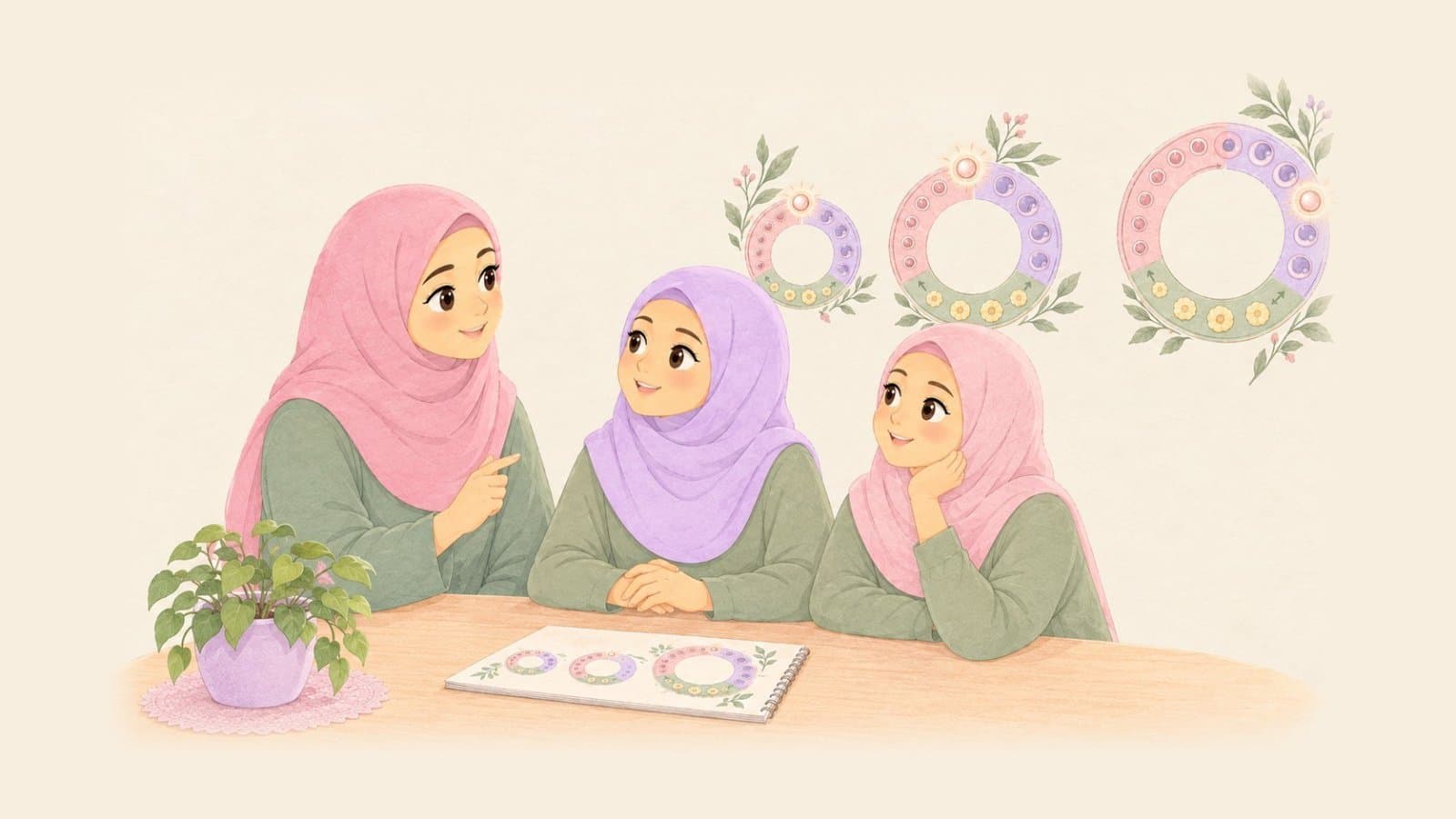
The idea that ovulation happens on day 14 comes from an “ideal” 28-day cycle. In reality, ovulation occurs about 12–14 days before the next period, and the second half of the cycle is fairly consistent. The first half is what varies most. In a study of more than 600,000 cycles, it lasted almost 17 days on average, and only 13% of cycles were exactly 28 days long.
A study by Allen Wilcox published in the British Medical Journal found that even for women with regular cycles, fertile days can fall on almost any day of the cycle. This makes it difficult to work out ovulation using the calendar alone.
Your body gives signs of ovulation
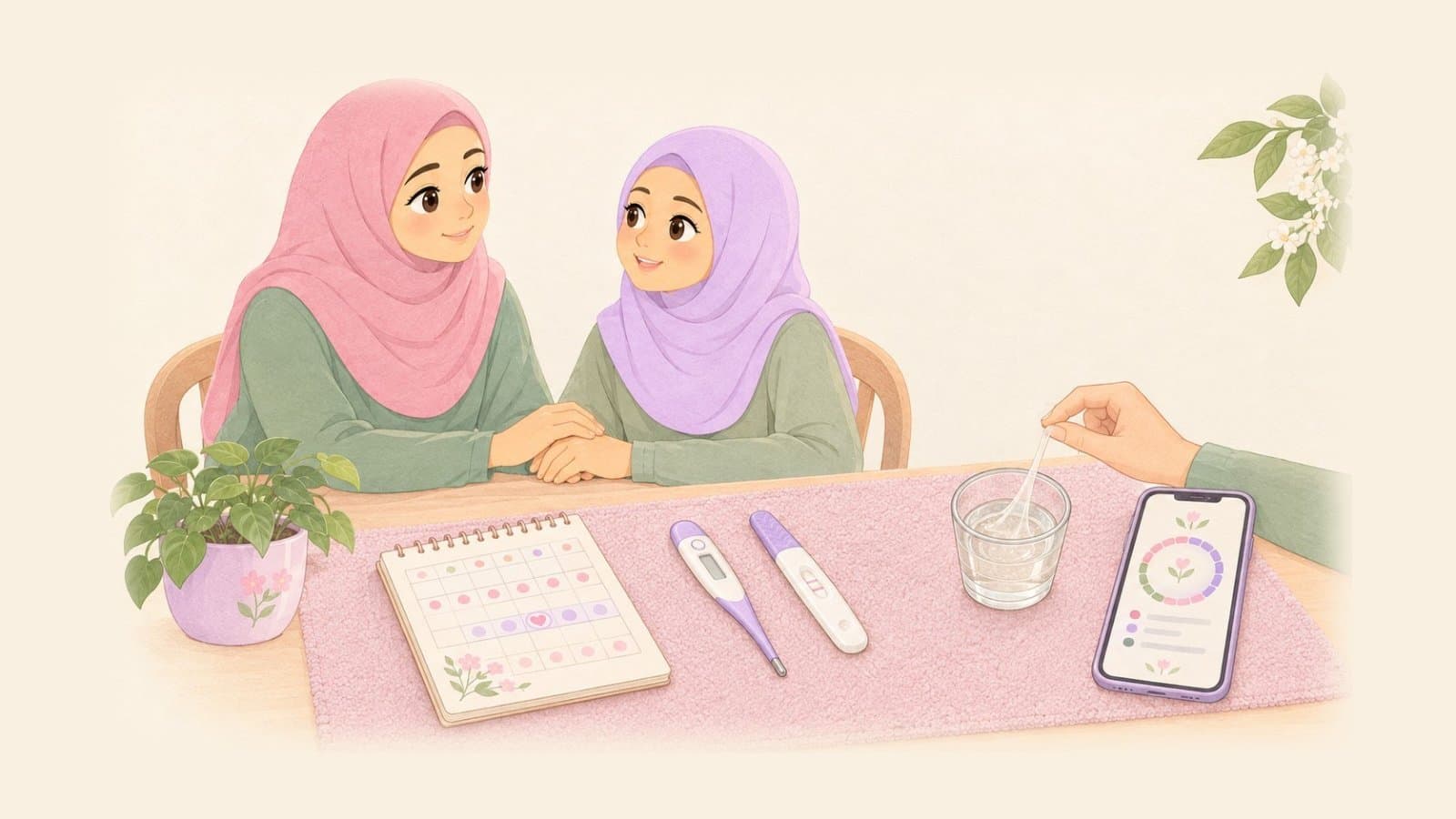
- Discharge becomes clear, stretchy, and slippery, like raw egg white.
- Ovulation tests detect the luteinizing hormone surge 1–2 days before ovulation.
- After ovulation, your basal body temperature rises by about 0.3–0.5 °C and stays elevated until your period.
- Some women experience a one-sided, dull ache in the lower abdomen and light spotting.
- Many notice a boost in energy and an increased sex drive.
Cycles without ovulation can happen too
Sometimes ovulation does not happen even though periods still come. An occasional cycle like this can happen in healthy women, while frequent cycles without ovulation may be linked to polycystic ovary syndrome, not getting enough energy, thyroid conditions, the first few years after periods begin, or the years leading up to menopause. If your cycle is consistently irregular or you have not become pregnant after trying for more than a year, consider seeing a gynecologist. If you are over 35, it is best to seek an evaluation after 6 months of trying.
Knowing your ovulation can help you and your husband
If you and your husband hope to have a child, having sex during the fertile days can increase your chances. ACOG notes that you do not need to have sex every day—every 1–2 days during the fertile window is enough. Remember that vaginal intercourse during menstruation is prohibited in Islam, as stated in verse 222 of Surah Al-Baqarah. With a short cycle, ovulation may happen soon after your period ends, so keep this in mind when planning.
If you want to postpone pregnancy, keep in mind that estimating ovulation is not a guarantee. Talk to your gynecologist about a reliable method that suits your health and beliefs.
Ovulation is one part of the menstrual cycle. Paying attention to its signs can be interesting and helpful, and it can help you understand how your cycle changes from one phase to another.
This article is for information only and does not replace advice from a doctor. If something worries you, talk to a healthcare professional.