How does maternity leave work, and how should you plan it?
The length of maternity leave depends on the country and the type of job. Learn the international minimum, see examples from different countries and get tips for planning your leave.
Published 5 min read
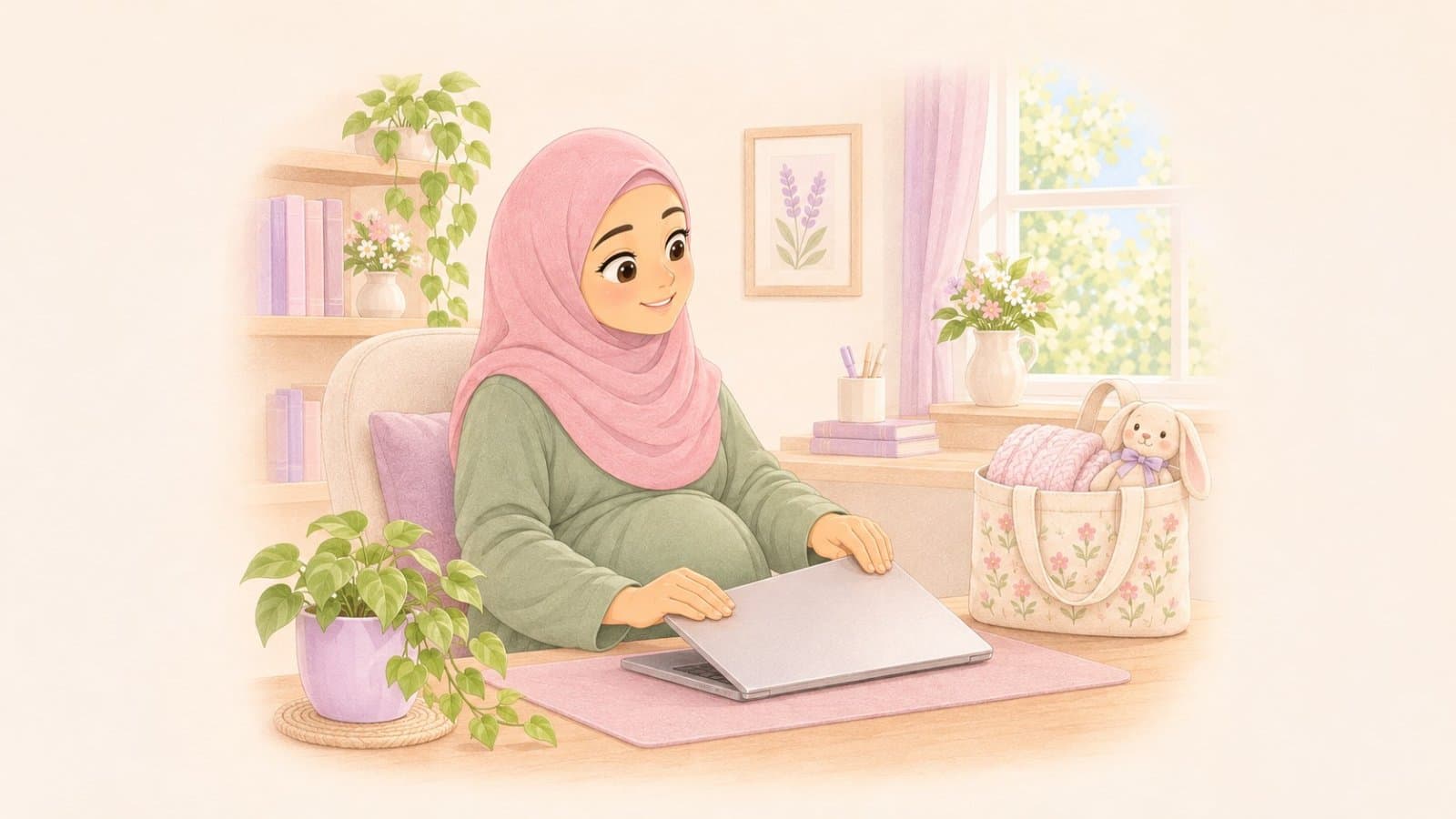
Planning maternity leave can feel like a puzzle. You need to understand your rights, choose when to stop working and agree on everything with your employer. Rules differ greatly from country to country and even between public and private jobs. Here we explain the general principles and give examples, so you know which questions to ask.
The international minimum is 14 weeks
The International Labour Organization (ILO) Maternity Protection Convention No. 183 sets a minimum of 14 weeks of maternity leave. It includes 6 weeks of compulsory leave after birth, which protects the mother’s health during recovery. Not all countries have ratified this convention, but it is widely used as a benchmark.
Maternity leave is usually split into two parts. Some days are taken before birth, so you can rest and prepare. The rest is taken after birth, for recovery and caring for your baby. In many countries, the part after birth cannot be shortened.

How leave works in different countries
Below are examples from countries where many of our readers live. Laws change, so always check the current rules with your employer, HR department or labor authority.
- Saudi Arabia. The Ministry of Human Resources states that private-sector employees receive 12 weeks of fully paid leave. Six weeks after birth are compulsory, and the remaining weeks can start up to 4 weeks before the due date.
- United Arab Emirates. In the private sector, the official UAE portal lists 60 days of leave, 45 of them with full pay and 15 with half pay. Leave can start up to 30 days before the due date.
- Egypt. The new Labour Law No. 14 of 2025, in force since September 2025, provides 4 months of paid leave, with at least 45 days after birth. It can be used up to 3 times during employment.
- Turkey. Since 1 May 2026, maternity leave lasts 24 weeks, usually 8 weeks before birth and 16 after. For twins, it is 26 weeks.
- Indonesia. Under Law No. 4 of 2024, mothers receive at least 3 months of leave, which can be extended by up to 3 more months if there is a medical reason confirmed by a doctor.
- Malaysia. Since January 2023, employees are entitled to 98 consecutive days of paid maternity leave.
- Pakistan. The federal Maternity and Paternity Leave Act 2023 provides 180 days for the first birth, 120 days for the second and 90 days for the third in establishments under federal control. In provinces, the rules for private companies may differ.
- Bangladesh. After the 2026 amendment to the Labour Act, maternity benefit increased to 120 days, 60 days before and 60 days after birth.
- Iran. Since 2021, mothers are entitled to 9 months of fully paid leave, and 12 months for twins.
- France. For the first and second child, leave lasts 16 weeks, usually 6 weeks before birth and 10 after. From the third child, it is 26 weeks.
Questions to clarify in advance
Every workplace has its own procedures. Before your leave, it helps to find out:
- How many weeks you are entitled to and how they are divided before and after birth.
- Who pays during leave, your employer or a social insurance fund, and in what amount.
- Which documents you need, for example a medical certificate with the due date.
- How far in advance you should notify your employer.
- Whether leave can be extended if the birth is complicated, the baby is ill or you have twins.
- Whether you can take unpaid leave or work part-time after maternity leave ends.
Keep copies of all documents and agreements in writing. If your employer refuses something you are entitled to by law, contact the labor authority or a lawyer.

Choosing when to start your leave
If your country lets you decide how much leave to take before birth, think about how you feel and what your job involves. Women with physically demanding work, long commutes or night shifts often benefit from stopping earlier. Others prefer to work longer and keep more time with the baby after birth.
Discuss the decision with your doctor, especially if you have high blood pressure, anemia, gestational diabetes or are expecting twins. A doctor may recommend starting leave earlier, and in some countries this is formalized as sick leave that does not reduce your maternity leave.
Breastfeeding after you return
Many countries protect a mother’s right to breastfeeding or pumping breaks after she returns to work. Ask whether your workplace has a private room for pumping and how breaks are arranged. Islam encourages breastfeeding and describes a full nursing period of 2 years in Surah Al-Baqarah (2:233), so it is worth planning how to continue feeding after returning to work if you wish to.
Let others help you
Maternity leave is not a vacation. It is time for recovery after birth and for building a bond with your baby. Ask your husband and family for help with household tasks, and don’t hesitate to accept support. Your health and rest matter just as much as preparing everything for the baby.

A little planning in advance makes the transition calmer. Find out your rights, prepare your documents and leave yourself space for rest. Your work will wait, and these first months with your baby will not happen again.
This article is for information only and does not replace advice from a doctor. If something worries you, talk to a healthcare professional.