How do you recognize labor contractions, and what helps ease them?
Real contractions become longer, stronger and more frequent over time. Learn how they differ from practice contractions and which methods help you cope.
Published 3 min read
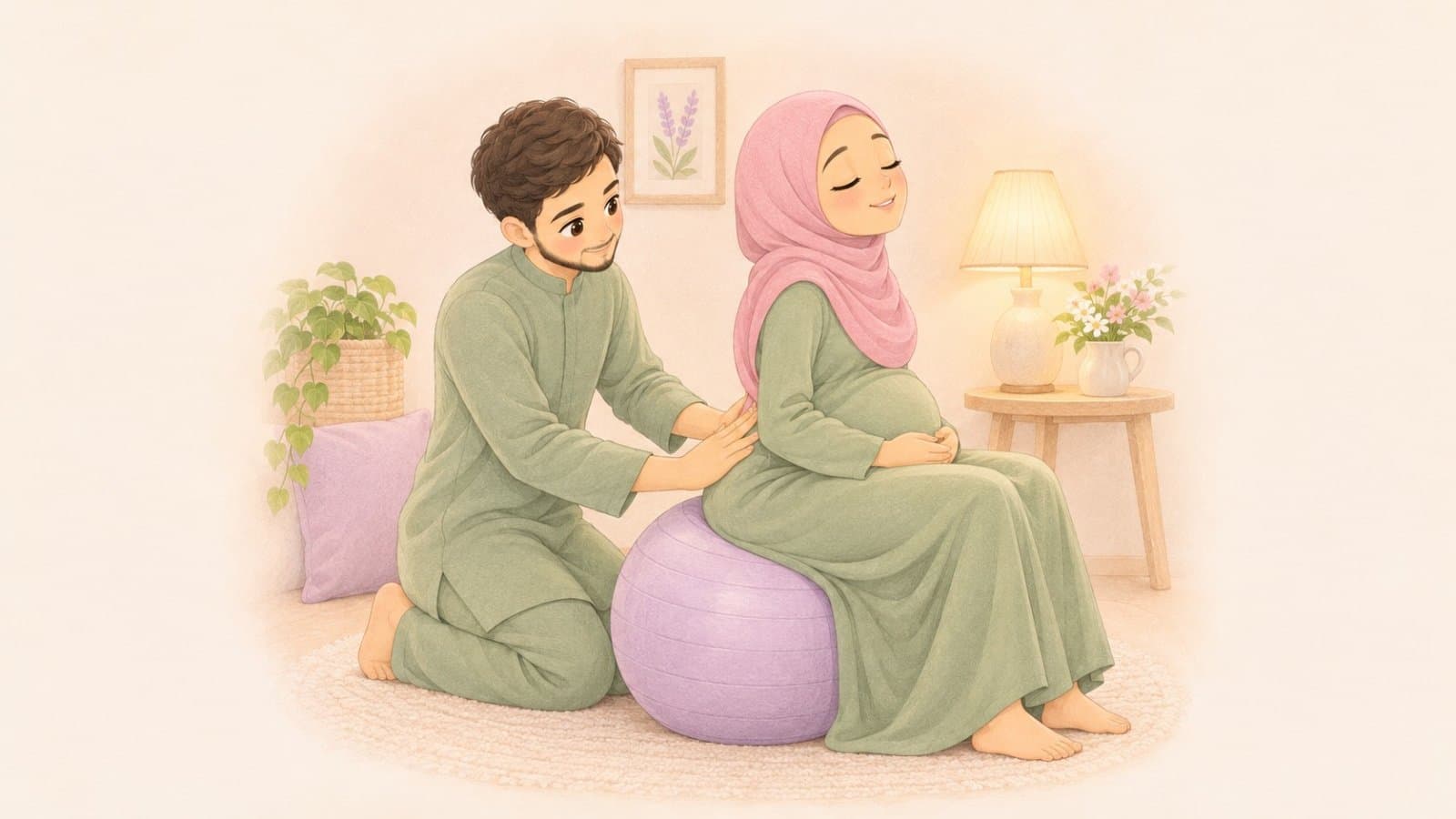
In the last weeks of pregnancy, many women wonder how they will know that labor has really started. Contractions are the main sign. Understanding what they feel like and how they change helps you decide when to stay home and when it’s time to call.
Practice contractions come and go
Braxton Hicks contractions, also called practice contractions, are tightenings of the womb that may start in the second half of pregnancy. The NHS describes them as usually painless and short. They don’t happen often and don’t build up over time. They often fade if you change position, rest or drink some water.
Real labor contractions feel different. As labor progresses, they become longer, stronger and closer together. During a contraction, the womb tightens and the pain increases, then fades as the muscles relax. Many women also feel them in the lower back.
How to time contractions
To understand how labor is progressing, note two things: how long each contraction lasts and how much time passes from the start of one contraction to the start of the next. A contraction timer app or a simple note on your phone will help.
According to the NHS, call your midwife or maternity unit if contractions are regular and come every 5 minutes or more often. Call urgently if any contraction lasts longer than 2 minutes or if you have 6 or more contractions in 10 minutes. Also call immediately if your waters break, you have bleeding, your baby moves less or you are less than 37 weeks pregnant.
What helps ease contractions
There are many ways to cope with contractions, and you can combine them. The NHS lists several methods you can try on your own:
- Breathing. Slow, deep breaths, especially a long exhale, help you relax and save strength.
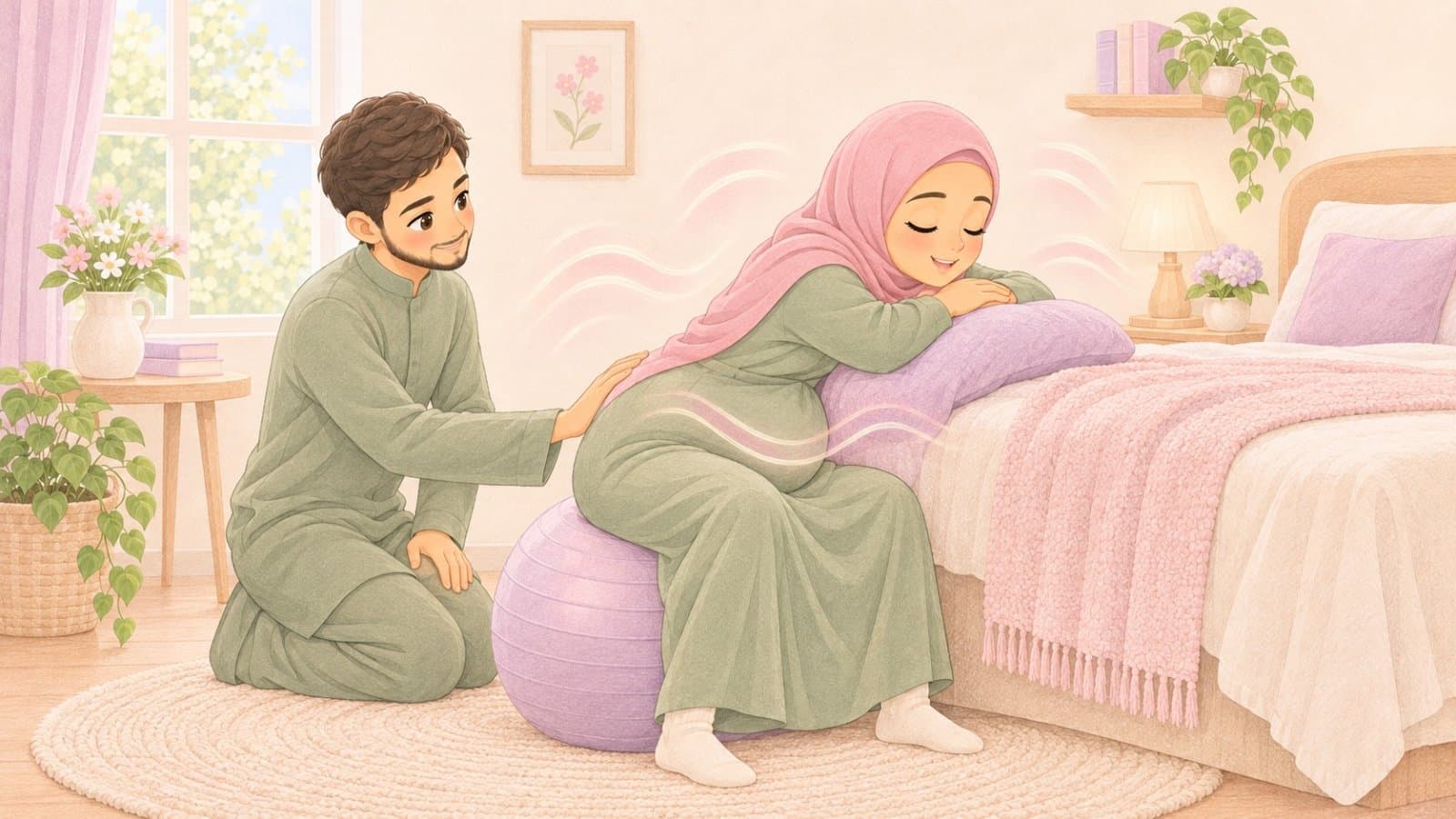
- Movement. Walking, rocking your hips, kneeling or leaning forward can reduce pain and help the baby move down.
- Warm water. A warm bath or shower relaxes the muscles in early labor.
- Massage. Pressure on the lower back or gentle stroking can bring relief, although some women prefer not to be touched.
- Support. A husband, mother, sister or doula who stays with you, reminds you to breathe and offers water can make a big difference.
If these methods are not enough, ask about medical pain relief. Gas and air, injections and epidurals are available in many hospitals. Discuss the options with your doctor in advance, so you can make a calm decision when the time comes.

Remembrance gives strength
Many Muslim women find that dhikr and dua help them focus during contractions. Short phrases repeated with each breath, such as “La hawla wa la quwwata illa billah” or “Ya Rahman,” can become an anchor between waves of pain. You can choose the words that bring you peace.
Each contraction does important work and brings you closer to meeting your baby. Rest between them, accept help and remember that the pain of labor is temporary.
This article is for information only and does not replace advice from a doctor. If something worries you, talk to a healthcare professional.