What is a corpus luteum cyst in pregnancy, and is it dangerous?
A corpus luteum cyst is often found on an early scan and usually goes away on its own. Learn why it forms, what it does and which symptoms need urgent care.
Published 3 min read
Hearing the word “cyst” during your first scan can be frightening. Yet a corpus luteum cyst is one of the most common findings in early pregnancy, and in most cases it does not need any treatment. To understand why, it helps to know what the corpus luteum is and what it does.
The corpus luteum supports early pregnancy
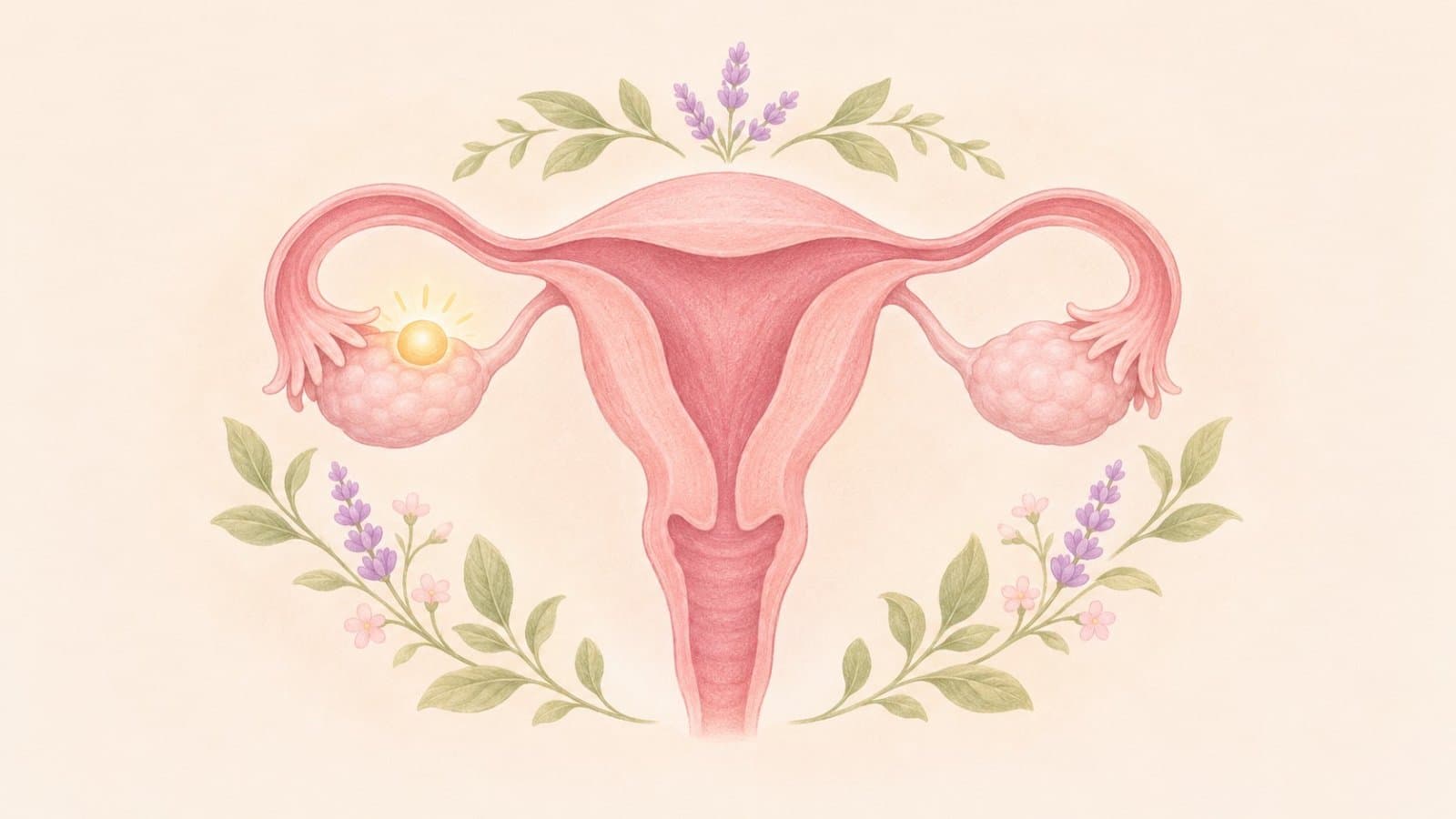
Every month, an egg is released from a follicle in the ovary. After ovulation, the empty follicle turns into a small temporary gland called the corpus luteum. It produces progesterone, the hormone that prepares the lining of the womb and helps keep a pregnancy in place.
If pregnancy happens, the corpus luteum keeps working. According to Cleveland Clinic, it produces progesterone for about 12 weeks. Around this time, the placenta starts making enough hormones on its own, and the corpus luteum gradually shrinks and disappears.

Why a cyst forms
Sometimes the corpus luteum fills with fluid and becomes larger than usual. This is called a corpus luteum cyst. Cleveland Clinic notes that these cysts are usually painless and harmless and are most often found by chance during a scan. In pregnancy, they usually go away on their own by the second trimester.
A cyst like this is not a sign that something is wrong with the baby. It is a functional cyst, which means it is connected to the normal work of the ovary, not to a disease.
How doctors monitor it
If a cyst is found, the doctor will usually note its size and appearance and may suggest a follow-up scan in a few weeks. Treatment is rarely needed. Doctors don’t usually remove such cysts during pregnancy unless they are very large, cause symptoms or look unusual.
You can live your normal life. There is no special diet for a corpus luteum cyst, and moderate activity such as walking is usually allowed. If your doctor has given you specific advice about exercise, follow it.

Symptoms that need urgent help
Rarely, a cyst can twist the ovary or burst. This can cause severe pain and needs urgent care. Seek medical help immediately if you have:
- sudden, sharp pain in the lower abdomen, especially on one side;
- pain together with nausea, vomiting or fever;
- dizziness, weakness or fainting;
- vaginal bleeding.
Pain on one side in early pregnancy can also be a sign of an ectopic pregnancy, so it is important not to wait or take painkillers without seeing a doctor.
Patience is part of the process
Waiting for a follow-up scan can feel long. Some women find comfort in dua and in remembering that what is written for them will reach them. Taking care of yourself, resting and following your doctor’s advice are also part of trust in Allah.
In most cases, the next scan brings good news, and the cyst simply disappears as the placenta takes over. Ask your doctor any questions you have, and remember that this finding is very common.
This article is for information only and does not replace advice from a doctor. If something worries you, talk to a healthcare professional.